Are you ready to embark on a journey filled with history and profound emotion in this city floating in the Caribbean? The stunningly beautiful capital of this island has no shortage of stories to tell. Much of its history is deeply intertwined with the migration from Spain to Cuba. Today, let us set out on a journey to visit 20 locations where you can witness firsthand the influence left by Spanish immigrants in Havana. We will trace the footsteps of how Spain carved a legacy that remains vividly etched into the city to this day.
Let the journey begin!
Located at 575 Paseo del Prado, at the corner of Dragones Street in Old Havana, this building once served as the headquarters for the Galician Center. It is a historic landmark where Galician immigrants established their first stronghold around 1880.
On November 23, 1879, the "Sociedad Centro Gallego de La Habana" was founded after a dozen Galicians gathered at the Tacón Theatre. By the beginning of the 20th century, the Galician community in Cuba had grown significantly, accounting for 37% of the Spanish population on the island—the second-largest group after the Asturians. While Galicians were particularly active in commerce, they also placed great importance on education and the preservation of their culture and traditions. As part of this mission, they established schools within their recreation centers, one of which is the Concepción Arenal School.
The school was named in 1906 to honor Concepción Arenal, a native of Galicia and the first Spanish woman to attend university lectures. Born in O Ferrol on January 31, 1820, she defied the norms of an era when women were barred from formal higher education by dressing in men's clothing to enter law school. She dedicated her life to scholarship and writing.
From its inception, the Galician Center focused heavily on primary, basic, and higher education. Between 1887 and 1888, the school’s enrollment reached 763 students, including those from Havana, other Cuban provinces, and Galicia itself. The renowned philosopher and educator Enrique José Varona was among the notable lecturers who taught in the school’s auditorium. In 1887, the Galician Center even distributed smallpox vaccines to the public free of charge. Today, the Concepción Arenal School continues to honor the memory of its namesake, standing as a testament to the rich educational and cultural heritage of the Galician community in Havana.
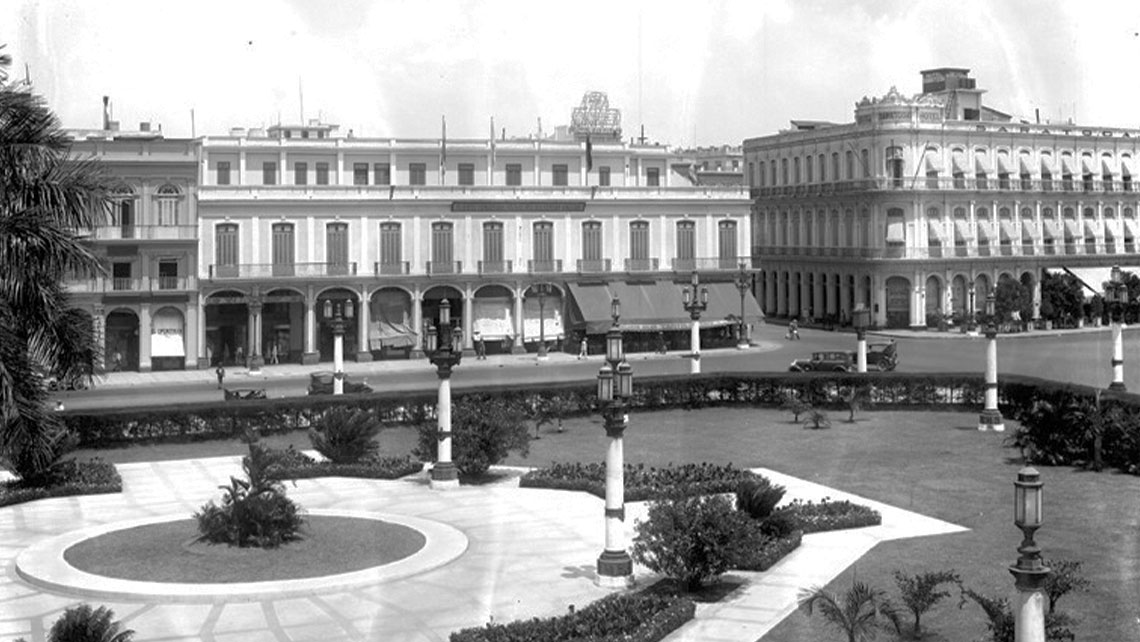
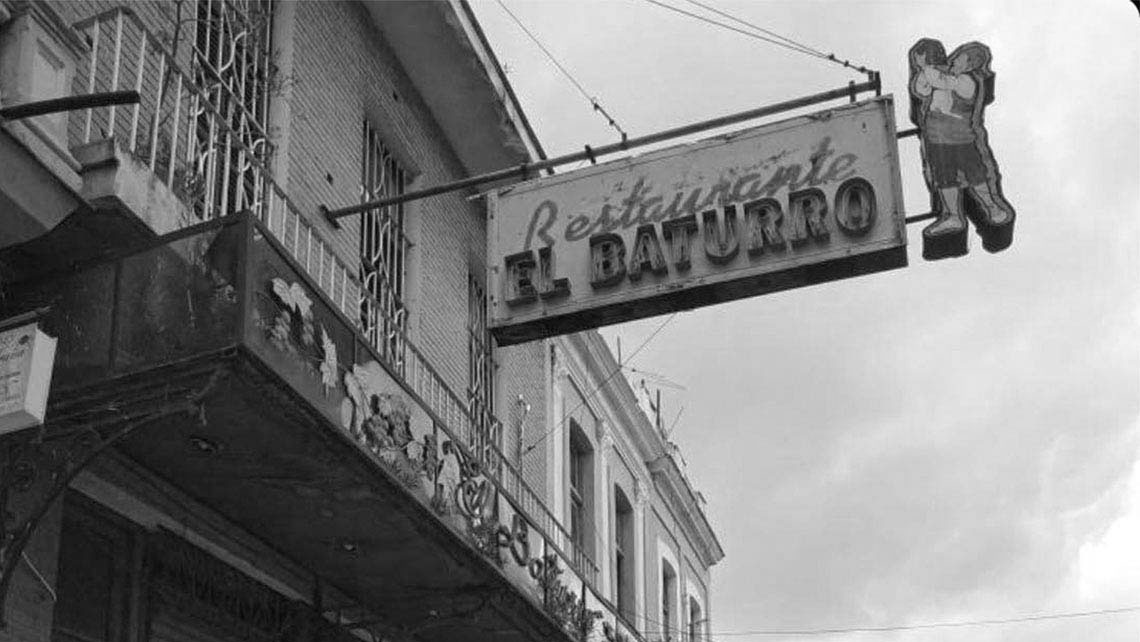
Founded in the early 20th century by the visionary Spanish entrepreneur Romualdo Larruesa, "El Baturro" opened on the site of a former wine and liquor retail shop. Larruesa expanded the business by incorporating a café and dining room, creating one of Havana’s most iconic restaurants.
Thanks to its high-quality food and drink paired with affordable pricing, "El Baturro" achieved rapid commercial success and attracted a diverse clientele. The tavern became the ultimate meeting point for Spanish immigrants seeking a nostalgic taste of their homeland. Its proximity to the newly opened Central Railway Station also played a crucial role, revitalizing commerce around the Old Havana Arsenal and drawing in a steady stream of travelers and businesspeople.
Following the Cuban Revolution, "El Baturro"—like all private enterprises—was nationalized. While the grocery section eventually closed, the restaurant continued to operate under state management. Today, "El Baturro" is managed by the Habaguanex company; it maintains its specialization in Spanish cuisine while preserving the classic atmosphere typical of a 19th-century Iberian tavern.
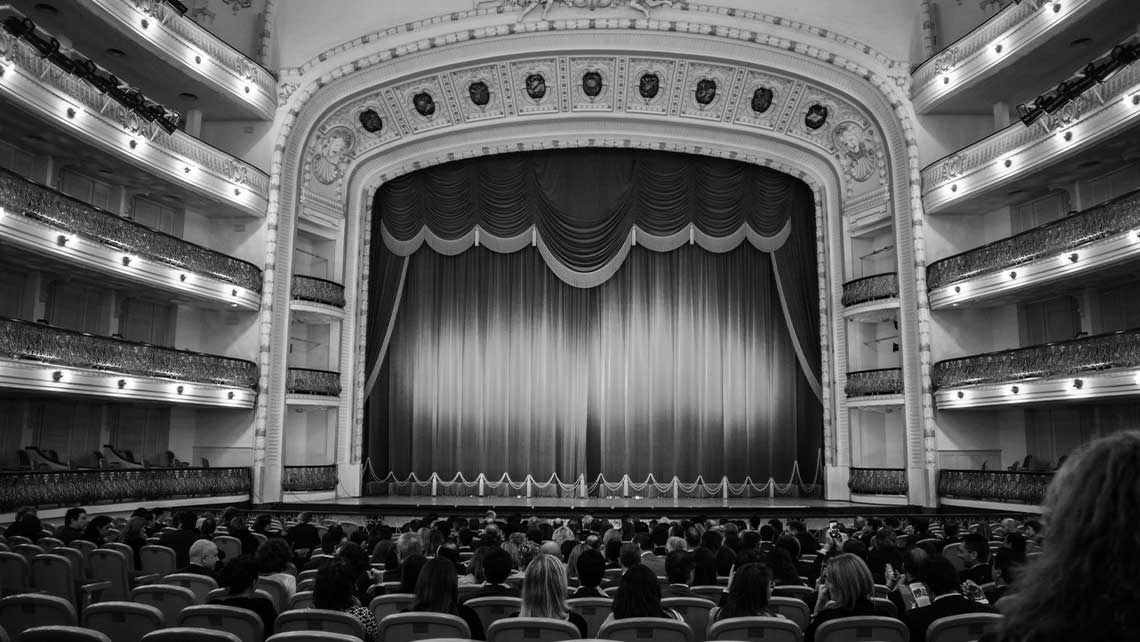
Originally known as the "Teatro Irijoa," the Martí Theatre opened its doors on June 8, 1884, driven by the significant investment and vision of Basque entrepreneur Ricardo Irijoa. Located at the corner of Dragones and Zulueta Streets, it quickly gained fame as the "Summer Theatre" due to its exceptional ventilation, making it the ideal venue during the hotter months.
Spanning three floors with a total area of 4,100 square meters, the theatre offered an unparalleled experience. It could accommodate 2,500 spectators and featured innovative designs, such as the movable "Irijoa chairs" made of maple and cast iron. This versatility allowed the theatre to host a wide range of events, including assemblies and labor meetings; notably, it served as the venue for the International Workers' Day celebrations in 1891.
In 1898, amidst the turmoil of the Cuban War of Independence and U.S. intervention, the building suffered bomb damage but reopened the following year after its first major renovation. At that time, it was renamed the "Martí Theatre" in honor of the Cuban national hero, José Martí.
Throughout its history, the Martí Theatre has set the stage for countless historical and cultural milestones. It has hosted iconic productions such as Puccini’s Tosca, Federico García Lorca’s The House of Bernarda Alba, and Jean-Paul Sartre’s The Respectful Prostitute. It has also been the home of Cuban lyrical theatre classics, including Cecilia Valdés, Rosa la China, and Amalia Batista, composed by masters such as Gonzalo Roig, Rodrigo Prats, Ernesto Lecuona, Jorge Anckermann, and Eliseo Grenet. In February 1935, the incomparable Rita Montaner made her debut on this stage, marking a new chapter in the history of Cuban performance.
Today, the Martí Theatre remains a symbol of Havana’s rich cultural and historical legacy—a living testament to the profound influence of Spanish immigrants on the city.
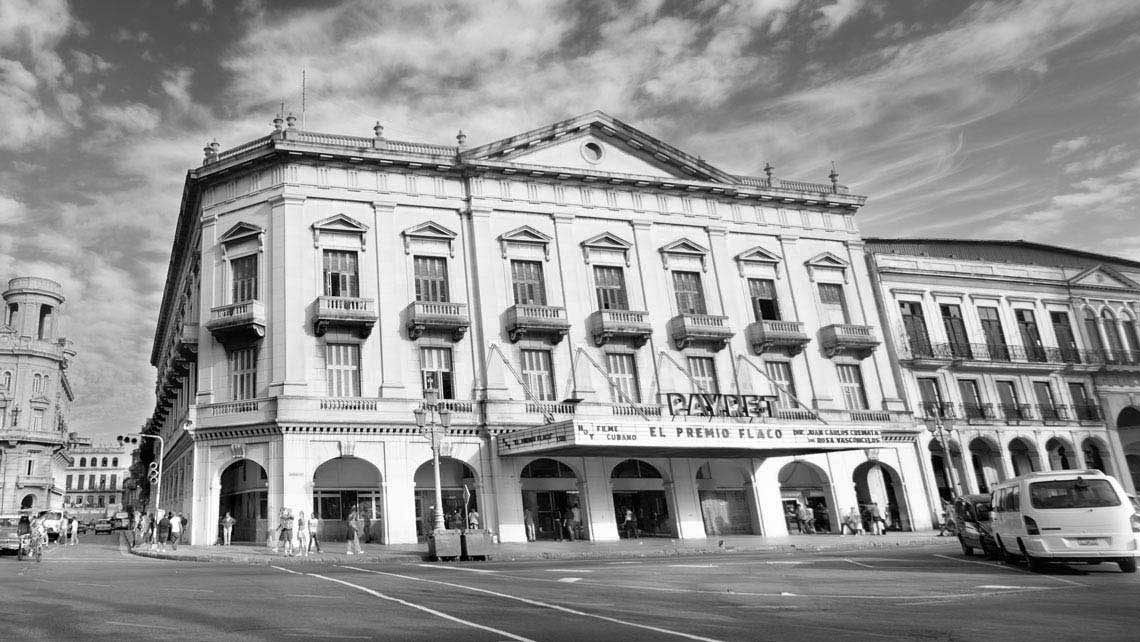
One of Havana’s most iconic venues, the Cine-Teatro Payret, bears the name of its Catalan owner, Joaquín Payret, who arrived in Cuba with the dream of erecting a monumental edifice. To realize this vision, he incorporated the most advanced technological innovations of the era into the building's construction.
Payret imported critical structural components from Europe, specifically to safeguard the theatre against fire. Historian Carlos Venegas noted: "Payret imported a special framework from the Palace of Industry in Brussels. The steel roof of the Payret Theatre featured a structure similar to the one used shortly before in Barcelona to cover the 'Transatlantic Company' building, and a modern ventilation system was employed to regulate the interior temperature."
The construction was entrusted to the Catalan master builder Fidel Luna, a disciple of the engineer Ildefonso Cerdá (famed for the Barcelona expansion plan). Luna integrated innovative architectural elements into Payret’s design, such as chamfered corners and a fenced lateral garden facing the burgeoning Central Park. These features not only distinguished the building but also reaffirmed the influence of mainland Spain amidst rising Criollo opposition.
The Payret Theatre opened on January 21, 1877. In 1878, it was renamed "Teatro de la Paz" in honor of the Pact of Zanjón during the Ten Years' War. However, despite a series of misfortunes—including a fatal duel, a curse by a heartbroken lover, and a partial collapse due to torrential rains in August 1882—it was the name of Payret that endured in the theatre’s history.
On May 9, 1948, the theatre closed its doors, marking the beginning of a new phase of reconstruction led by architects and engineers Ernesto Batista, Eugenio Batista, and Adolfo Arellano. Contemporary newspapers expressed the city's grief over the loss of the beloved venue: "The Payret belongs to every citizen of Havana, and when it is gone, a part of each of us will vanish with it..." In September 1951, the Payret reopened with a grand gala benefiting the Cancer Association.
The renovated lobby and auditorium were adorned with decorations by the sculptor Rita Longa, featuring muses in the lobby to inspire fantasy and on the stage to inspire artistic creation. Equipped with three 35mm projectors—the most modern at the time—and an advanced RCA sound system, the Payret offered an unparalleled audiovisual experience. After its mid-century glory, the Payret served as a popular "neighborhood" cinema for decades. However, due to a lack of maintenance and the harsh tropical climate, the building suffered significant structural deterioration. By the late 2010s, it was largely closed to the public and in a state of advanced disrepair. In 2018–2019, it was announced that the Payret would be integrated into a new five-star luxury hotel complex (often referred to as the Hotel Pasaje del Prado or the Hotel Payret). This sparked significant debate among Havana’s historians and residents, who feared the historic cinema would be demolished or lose its soul. The project is currently under the management of the Gaviota Group (the state-run tourism entity). The compromise reached was that while a luxury hotel is being built around and above the site, the original cinema/theatre must be restored and preserved as a public cultural space.
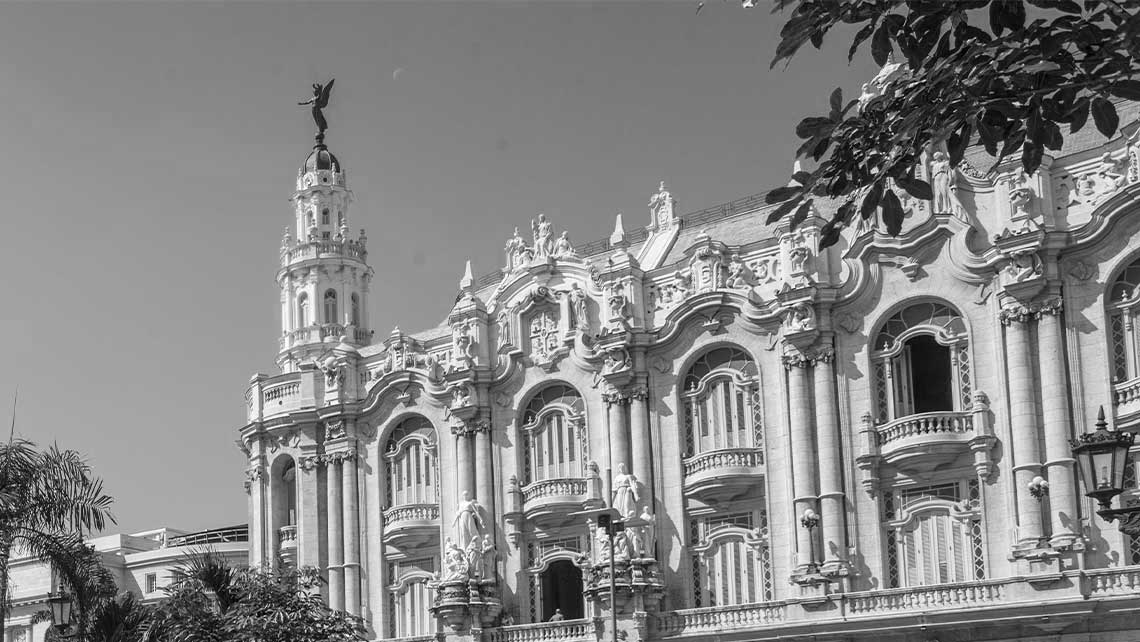
Originally opened in 1838 as the "Teatro Tacón" (named after General Miguel Tacón), the Great Theatre of Havana is one of Cuba’s most iconic landmarks and the nation’s artistic heart. Since the Ravel Dance Troupe first graced its stage at the inauguration, ballet has remained the theatre’s primary form of artistic expression. Today, it serves as the prestigious home of the National Ballet of Cuba.
This striking Neo-Baroque edifice has set the stage for monumental cultural, historical, and scientific milestones. Notably, in 1849, the Italian Antonio Meucci installed the world's first telephonic device within this theatre—25 years before Alexander Graham Bell’s patent. Its unique Italian-style horseshoe design offers visitors breathtaking architectural beauty.
The theatre is situated along the Paseo del Prado, between San José and San Rafael Streets, facing Central Park. The original Teatro Tacón that stood here was the most significant venue in Havana and one of the most luxurious in the Americas, welcoming legendary artists of the era.
Construction of the current building began on December 8, 1907, with the laying of a cornerstone sourced from the Praga quarries in Lugo, Spain. The project, executed by the American firm Purdy & Henderson, spanned six years at a cost of 1.8 million Cuban pesos. The finished structure was a magnificent palace that served as the headquarters for Spanish societies in Cuba. Within its walls, the building housed two ballrooms, a casino, gaming rooms, offices, a savings bank, restaurants, and cafés, alongside academies for fine arts and music.
Throughout its history, the venue has borne several names. In 1961, it was named "Federico García Lorca" to honor the Spanish poet. Six years later, it became the "Great Theatre of Ballet and Opera of Cuba." In 1977, it was briefly referred to as "Habana Vieja Liceo" when the majority of the Galician Center’s facilities were utilized. By 1981, it was known as the "Gran Teatro García Lorca Cultural Complex," until June 1985, when it was officially renamed the "Gran Teatro de La Habana," retaining the García Lorca name specifically for its main hall.
Since the 1960s, the theatre’s legacy has been inextricably linked to the Prima Ballerina Assoluta Alicia Alonso, who led the National Ballet of Cuba for decades. In recognition of her immense contribution to Cuban and global culture, the institution was formally renamed the "Gran Teatro de La Habana ‘Alicia Alonso’."
A vital institution for the Asturian diaspora in Cuba, the "Centro Asturiano de La Habana" began its activities in the Amézaga district. Initially located where the Hotel Plaza stands today—between Neptuno, Zulueta, and Monserrate Streets—it secured a permanent headquarters at No. 1 San Rafael Street on its first anniversary in June 1887. In 1914, the society purchased the remaining half of the block shared with the Albisu Theatre; following the theatre's demolition, a massive expansion project was undertaken.
Despite a fire that ravaged the social headquarters during construction, work continued, and in October 1927, a magnificent palace was inaugurated directly across from the Centro Gallego de La Habana. This building became the preeminent symbol of the Asturian presence in Havana, hosting countless social, cultural, and educational activities.
Following the success of the Cuban Revolution in 1959, all regional centers, including the Centro Asturiano, were nationalized, and the subsequent wave of migration significantly impacted the center’s operations. The building later served various purposes, including the headquarters for the Cuba-Spain Friendship Association, the "José Martí" National Pioneer Palace, and eventually the Supreme Court. Since 2000, it has housed the Universal Art Collection of the National Museum of Fine Arts (Museo Nacional de Bellas Artes).
After the expropriation of the original building, the Cuban government provided a new location—formerly the German Club and later the American Club. While smaller than the original palace, this site now belongs to the Federation of Asturian Societies of Cuba, which comprises 34 organizations representing various regions of Asturias. Despite adapting to historical transitions, the Centro Asturiano continues to uphold the spirit of its founders, standing as a living testament to the rich cultural and social heritage of the Asturian community in Cuba.
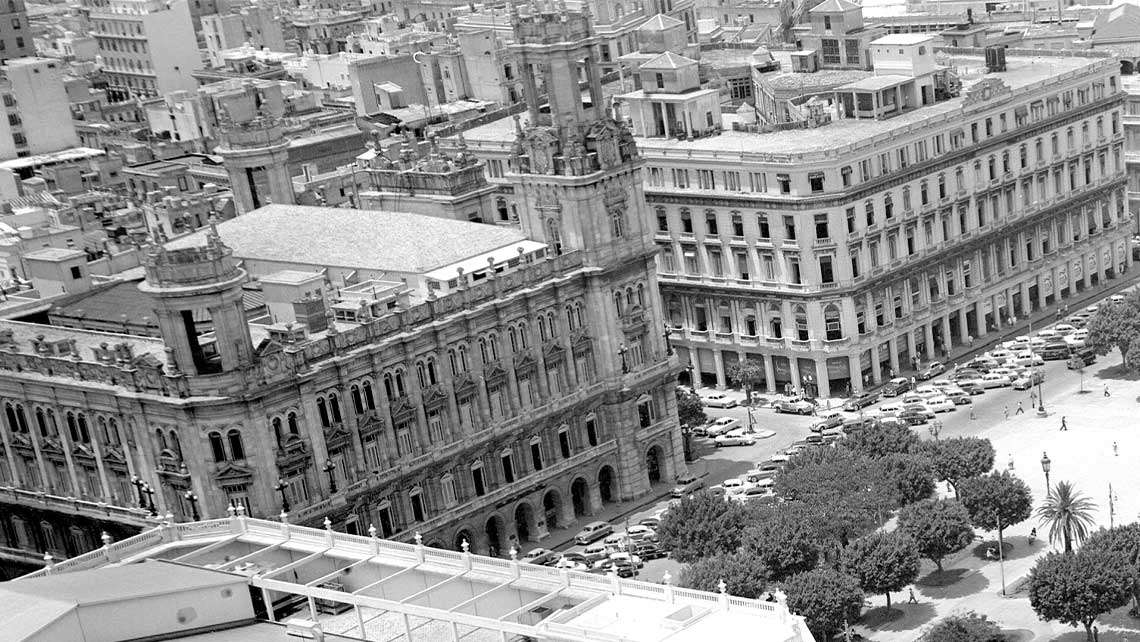
Formerly known as "Monserrate Square," Albear Square is strategically located just meters from Havana’s Central Park. It is a historically significant area characterized by high foot traffic and is famously home to a monument honoring one of Cuba’s most brilliant minds.
The monument and the square were inaugurated with a grand ceremony that drew massive crowds. The streets and rooftops were packed with spectators, and surrounding buildings were draped in tricolor flags, while numerous wreaths bore witness to the profound respect for the achievements of the Cuban engineer, Francisco de Albear.
Sculpted from white Carrara marble, the monument features a life-sized statue of Francisco de Albear y Fernández de Lara. Depicted in his military uniform, Albear stands in a pensive pose, holding a notebook in his left hand—a pose that symbolizes his lifelong dedication and contribution to the advancement of engineering in Cuba. Born on January 11, 1816, Albear’s life was deeply intertwined with water and its optimal management. As a Brigadier of the Royal Corps of Engineers and Director of Public Works for the island, he was responsible for vital projects, most notably the Albear Aqueduct, which remains an essential component of Havana’s water supply system to this day.
His contributions earned international acclaim, receiving honors at expositions in Philadelphia and Paris, and he was granted titles of nobility both during his life and posthumously. To honor his legacy, this life-sized monument was erected in 1895 in Albear Square, located at the historic heart of Havana at the start of Obispo Street. Crafted by the Cuban sculptor José Vilalta de Saavedra, the figure of Albear continues to command admiration and respect from both Havana residents and travelers alike.
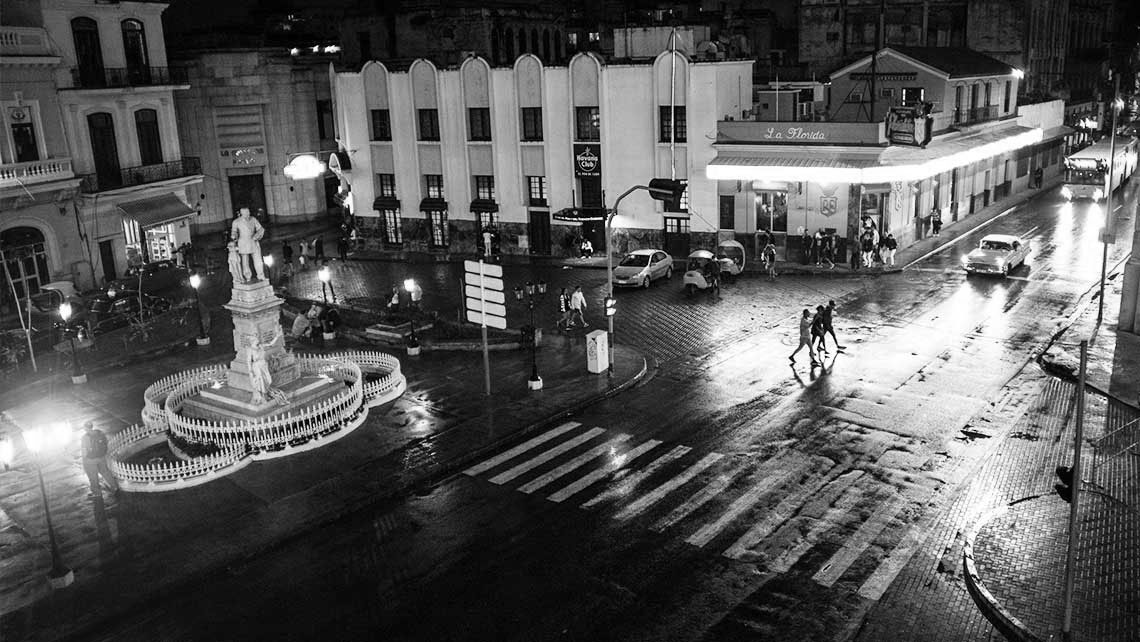
The Federation of Asturian Societies of Cuba (FAAC) was established in 1960 as the direct successor to the history, traditions, and heritage of the original Asturian Center of Havana. Its primary mission is to unify and support the various Asturian clubs, associations, and organizations scattered across Cuba, providing a space for consultation and mutual aid.
The current headquarters of the FAAC, located at No. 309 Paseo del Prado, was inaugurated in 1994 by Antonio Trevín, then President of the Principality of Asturias. This location has become an essential hub for the Asturian community in Cuba, serving as a venue where diverse cultural activities are promoted and celebrated.
Since its 1994 establishment, the FAAC has functioned as a vibrant center for cultural dissemination. It formed its first dance troupes, organized bagpipe bands, and began hosting lectures by prominent scientists, academics, and journalists. These events attract not only federation members but also the general public interested in Asturian culture. The headquarters also houses the image of the Virgin of Covadonga, the patron saint of Asturias, which was venerated for many years in the chapel of the Quinta de Covadonga sanitarium. This sanctuary symbolizes the continuity and respect for the religious and cultural traditions of Asturias that have endured in Cuba through the generations.
The Asturian presence in Cuba has deep historical roots. The Asturian Charitable Society was founded in Havana in 1877, followed by the Asturian Center in 1886, the Quinta de Covadonga at the end of the 19th century, and the Jovellanos School in the 20th century. These institutions played a vital role in integrating and supporting the Asturian community in Cuba, keeping their traditions and values alive across the ages.
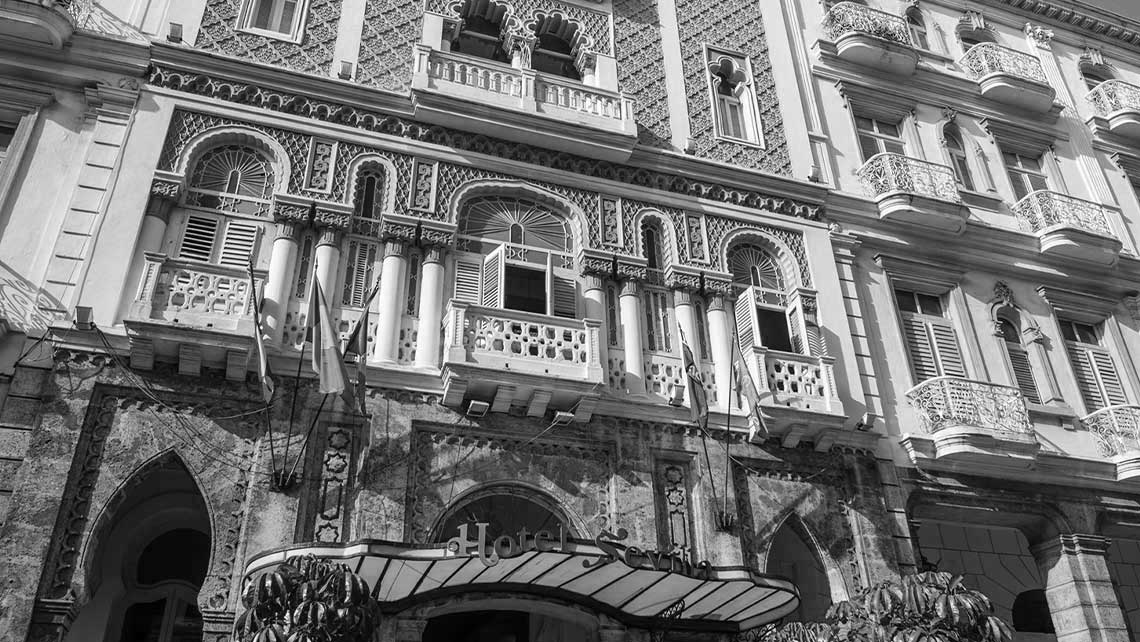
Since its inauguration 118 years ago in 1908, Havana’s Hotel Sevilla has remained a steadfast symbol of elegance and beauty. Located at No. 55 Trocadero Street, between the iconic Paseo del Prado and Zulueta Street, this historic hotel captivates travelers with its stunning Mudéjar-style architecture and the weight of the monumental events that have unfolded within its halls over the decades.
The hotel was constructed during the Spanish colonial era by the Cuban firm "El Guardián," with Perfecto López serving as president and Felipe Beltrán as managing director. With construction beginning in 1880, the Sevilla is strategically positioned along the Prado, Havana’s premier boulevard.
The Moorish architectural style of the Hotel Sevilla draws direct inspiration from the world-renowned Court of the Lions in the Alhambra Palace in Granada, Spain. This influence is vividly reflected in its arcades, slender columns, and walls adorned with authentic Sevillian tiles (azulejos), creating a unique and enchanting atmosphere.
Beyond its striking design, the Hotel Sevilla stands as one of Havana’s "Big Four" historic hotels, alongside the Hotel Inglaterra, the Hotel Plaza, and the Hotel Saratoga. Its close proximity to Central Park and Old Havana makes it an essential landmark for those seeking to explore the rich history and culture of the Cuban capital.
Throughout the years, the Hotel Sevilla has been recognized not only as one of the most luxurious and comfortable hotels of its time but also as a hub for significant social gatherings and historic events. Its legacy endures as a testament to the sophistication that defines Havana, continuing to attract both international tourists and local residents with its timeless charm and prime urban location.
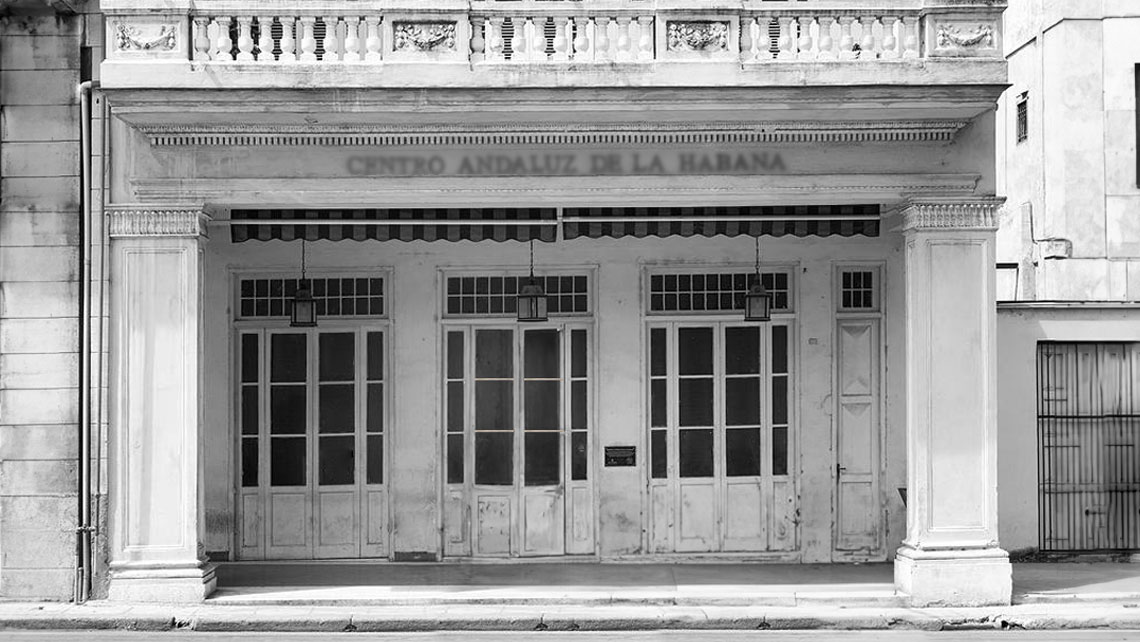
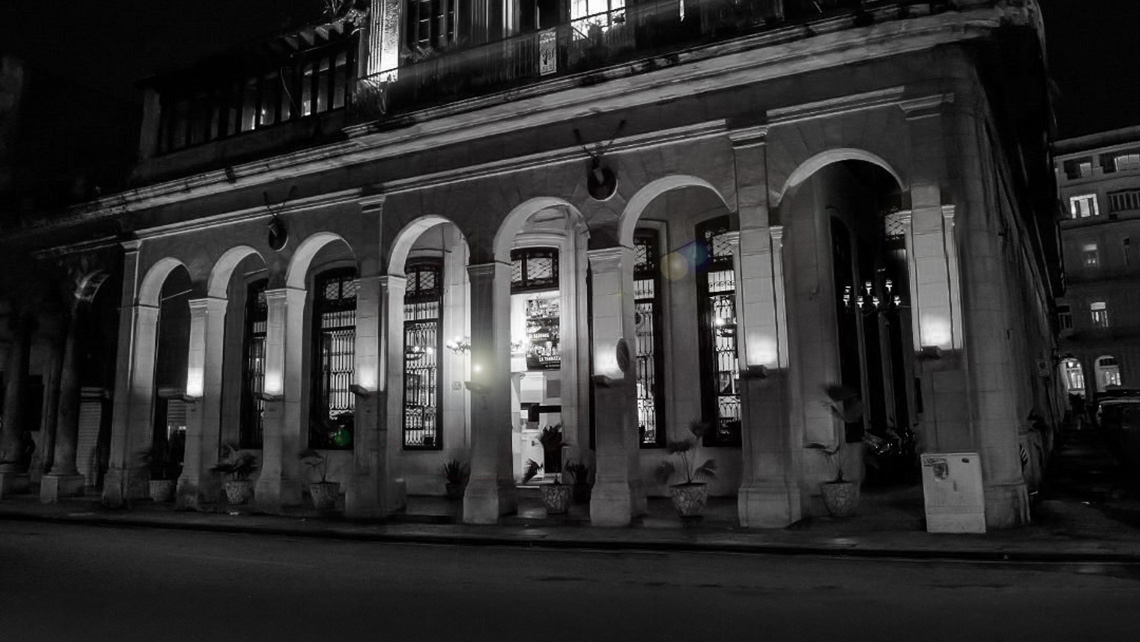
Since the early 20th century, the Andalusian Center of Havana has stood as one of the primary pillars of the Andalusian movement outside of Spain. Founded on February 11, 1919, this center has remained an essential sanctuary for Andalusians and their descendants living in Cuba for over a century.
The story began in the early 1900s through the initiative of D. Francisco Cuenca Benet (a native of Adra who lived from 1872 until his passing in Havana in 1943). A group of Andalusian immigrants established this iconic institution at No. 34 Paseo del Prado, situated between Genio and Refugio Streets. Over time, the Andalusian Center relocated to its current headquarters at No. 356–358 on the same grand boulevard, near the famous corner of Prado and Neptuno.
At the turn of the 21st century, the building’s structural stability was compromised, prompting a relocation and reconstruction project. Led by the Regional Government of Andalusia and the Center itself, the initiative was completed in 2010. The new edifice seamlessly blends Havana’s neoclassical architecture with eclectic elements. It serves a dual purpose as a residence and a cultural hub, featuring a small interior courtyard and a backyard adorned with a contemporary mural highlighting "El Camino del Rocío," the most iconic pilgrimage in Andalusia. The two-story structure is accessible via a staircase at the rear and a modern elevator.
The building's facade honors the 19th-century style characteristic of Havana’s Paseo del Prado, featuring a lintelled portico and a second-floor terrace. This terrace was originally designed to fly the flags of Cuba, Spain, and Andalusia, reflecting the deep historical and cultural ties between these regions.
The Andalusian Center of Havana is more than just a social hub for the local community; it is a fortress for preserving Andalusian traditions and identity in the heart of the Caribbean, keeping the flame of its founders' culture and heritage alive to this day.