Located in the Caribbean Sea at the entrance to the Gulf of Mexico, Cuba is an archipelagic nation. Known as the "Key to the Gulf," it is a magical place where time flows differently, offering a fascinating contrast woven from living history, lush nature, and a profound social system.
1. Basic Information and Geography
The Cuban territory consists of the main island of Cuba, the Isle of Youth (Isla de la Juventud), and more than 4,000 cays and islets.
• Total Area: Approximately 109,884 km²
• Terrain: Primarily plains, but characterized by three major mountain ranges: the Guaniguanico Range in the west, the Guamuhaya Range in the center, and the Sierra Maestra Range in the east. The highest peak is Pico Turquino (1,974m).
• Climate: Subtropical climate (average temperature 25°C). The year is divided into the "Dry Season" from November to April and the "Wet Season" from May to October.
Administrative Divisions
The country is divided into 15 provinces and one special municipality (Isle of Youth).
• Western Region: Pinar del Río, Artemisa, Havana (Capital), Mayabeque, Matanzas
• Central Region: Cienfuegos, Villa Clara, Sancti Spíritus, Ciego de Ávila, Camagüey
• Eastern Region: Las Tunas, Holguín, Granma, Santiago de Cuba, Guantánamo
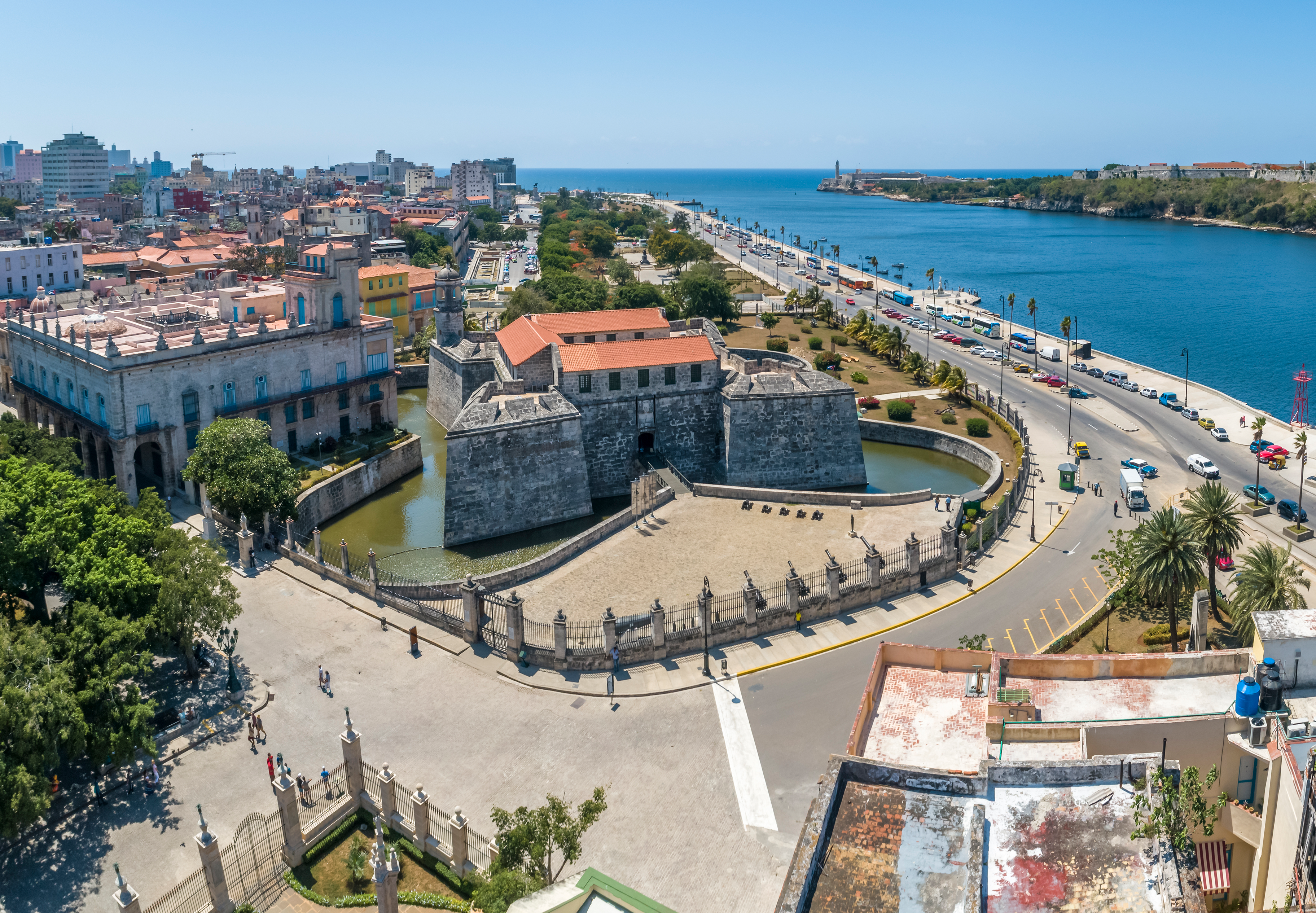
La Punta Fortress
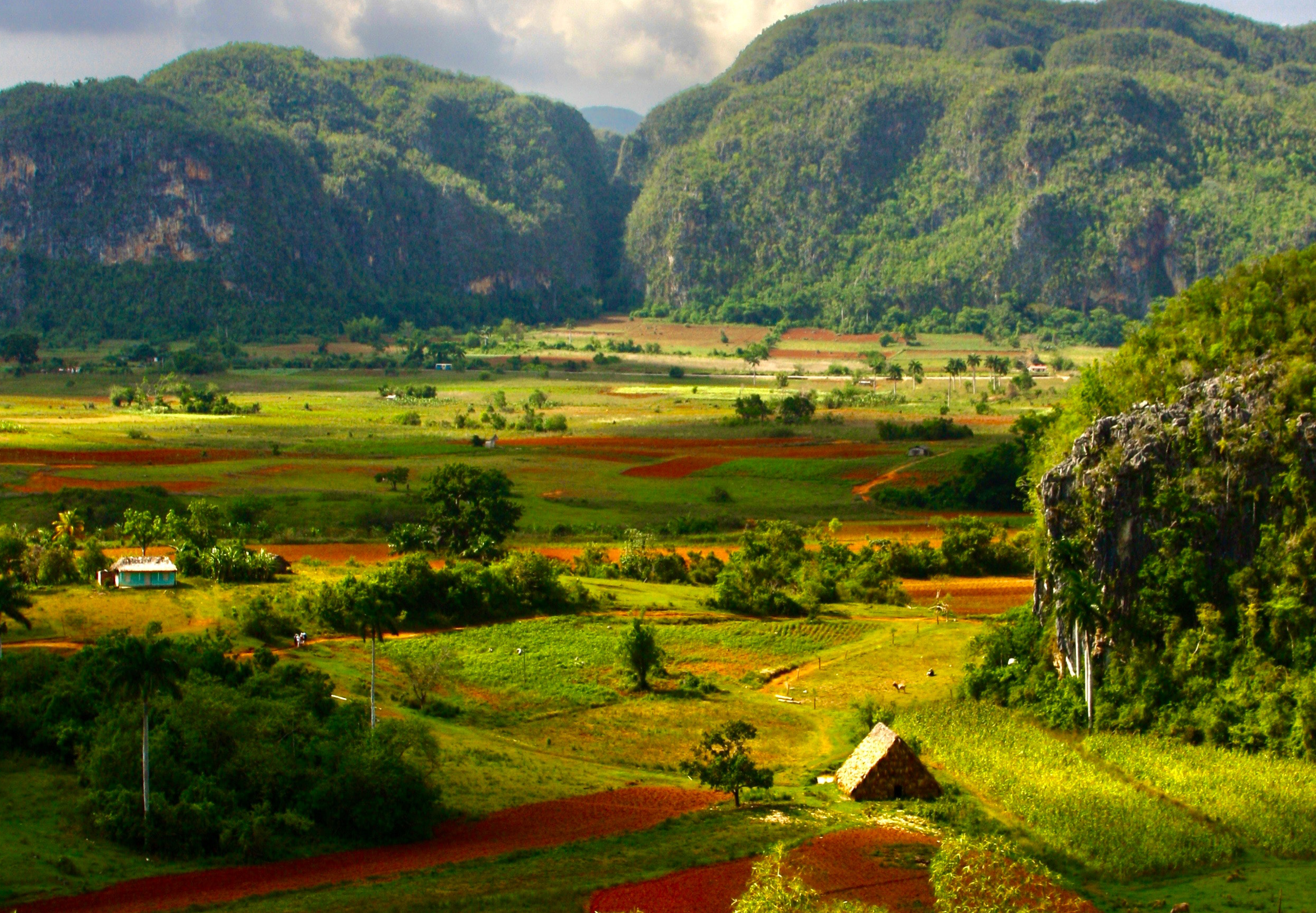
Viñales Valley
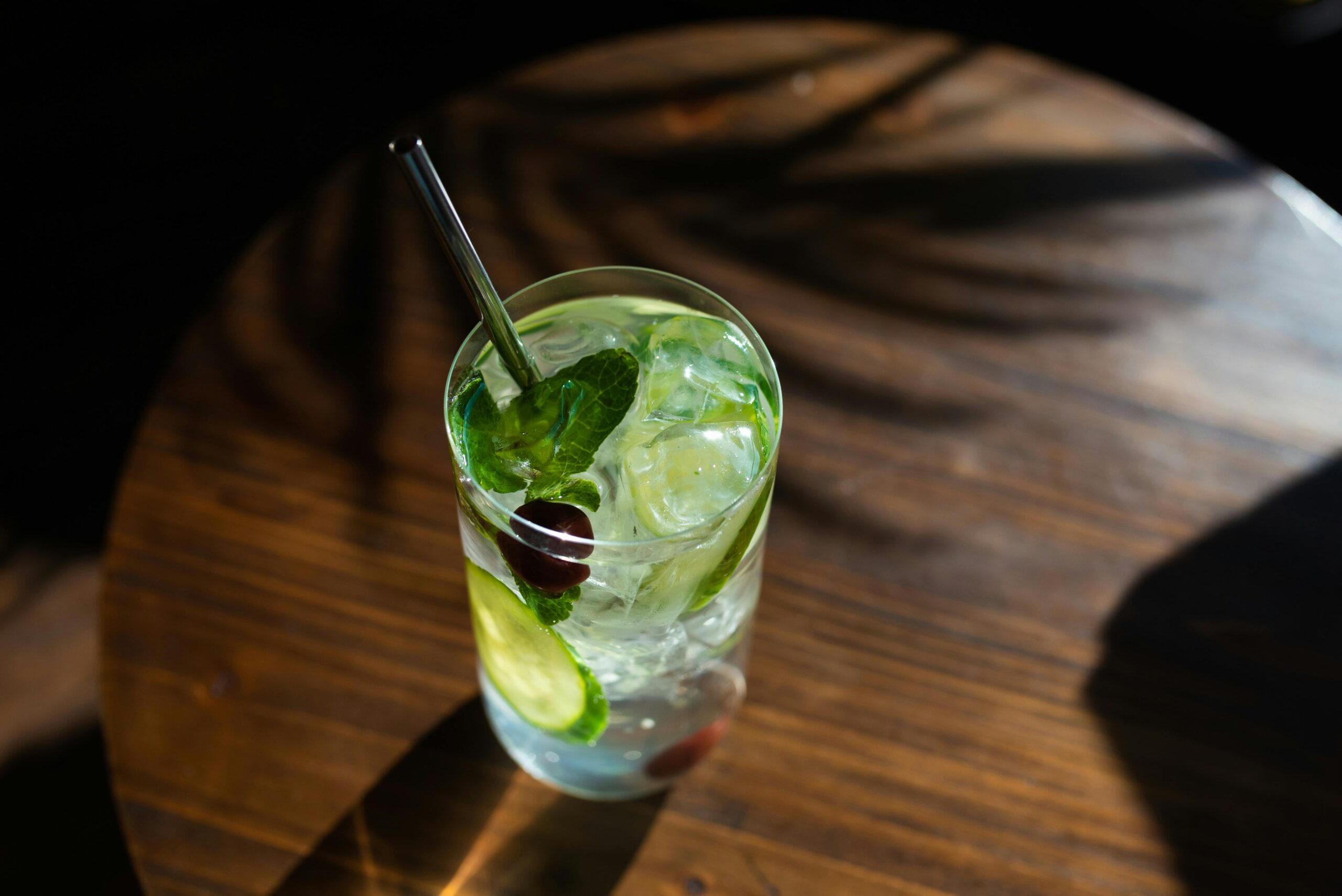
Cuban Mojito
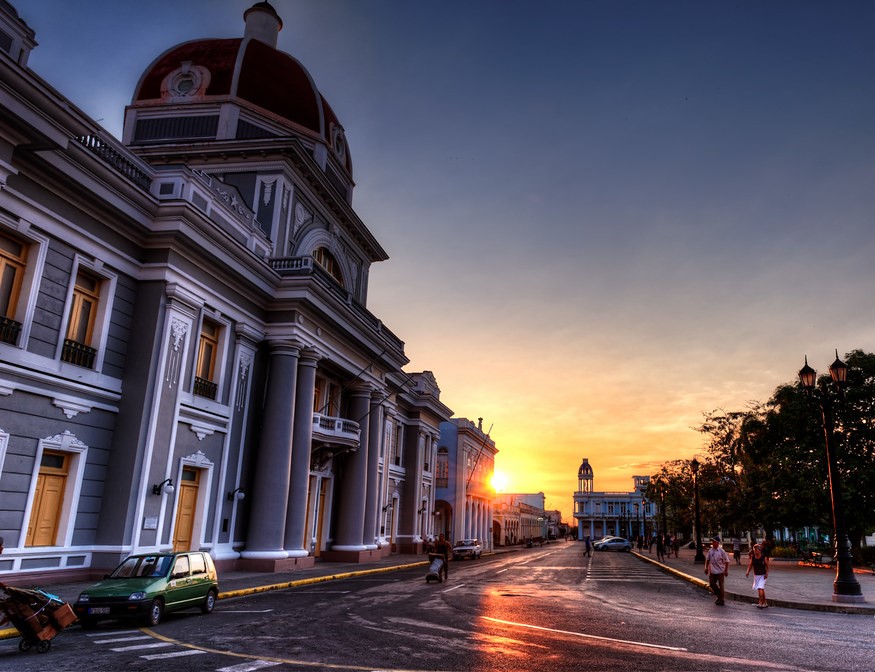
Governor's Residence
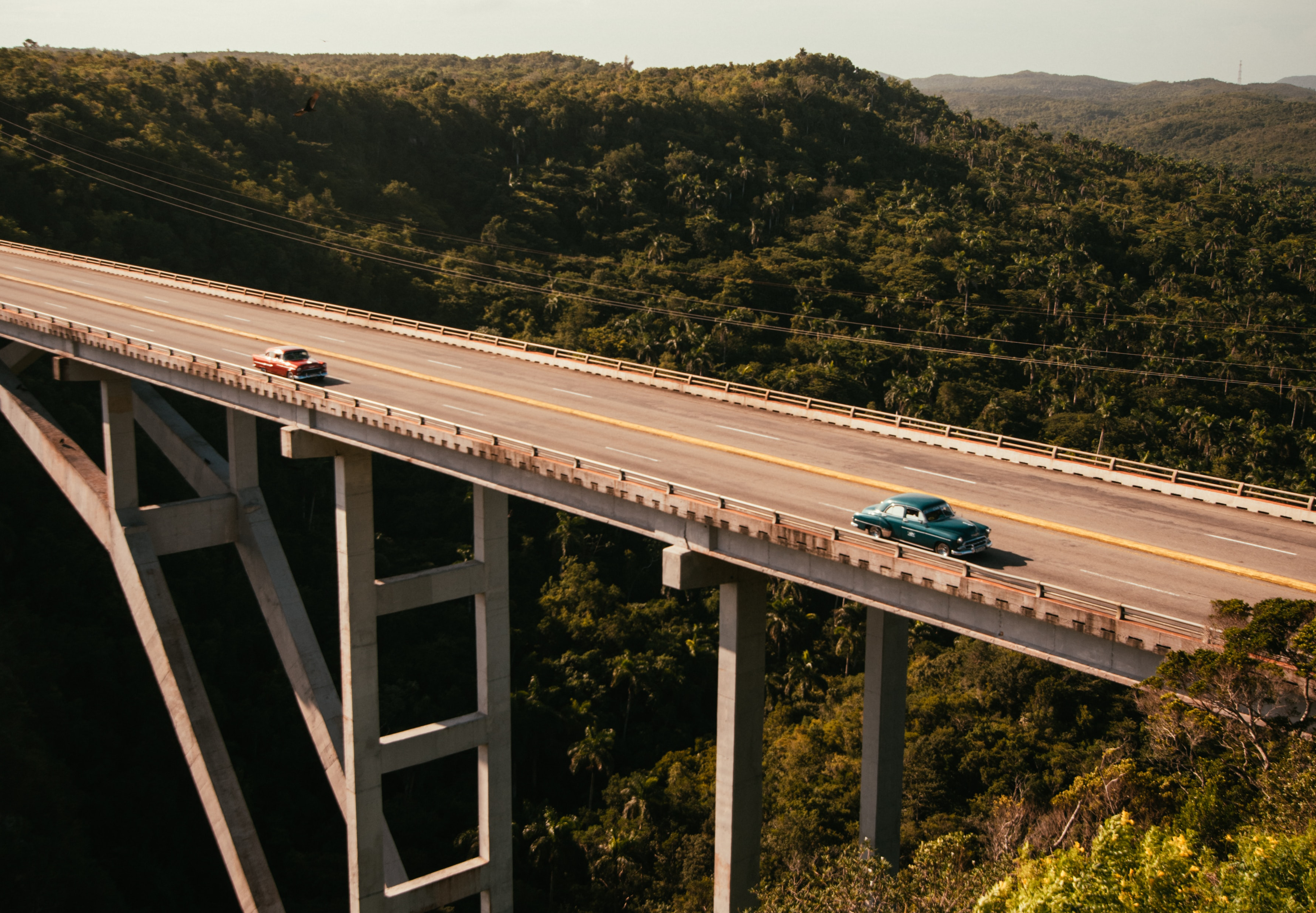
Bacunayagua Lookout
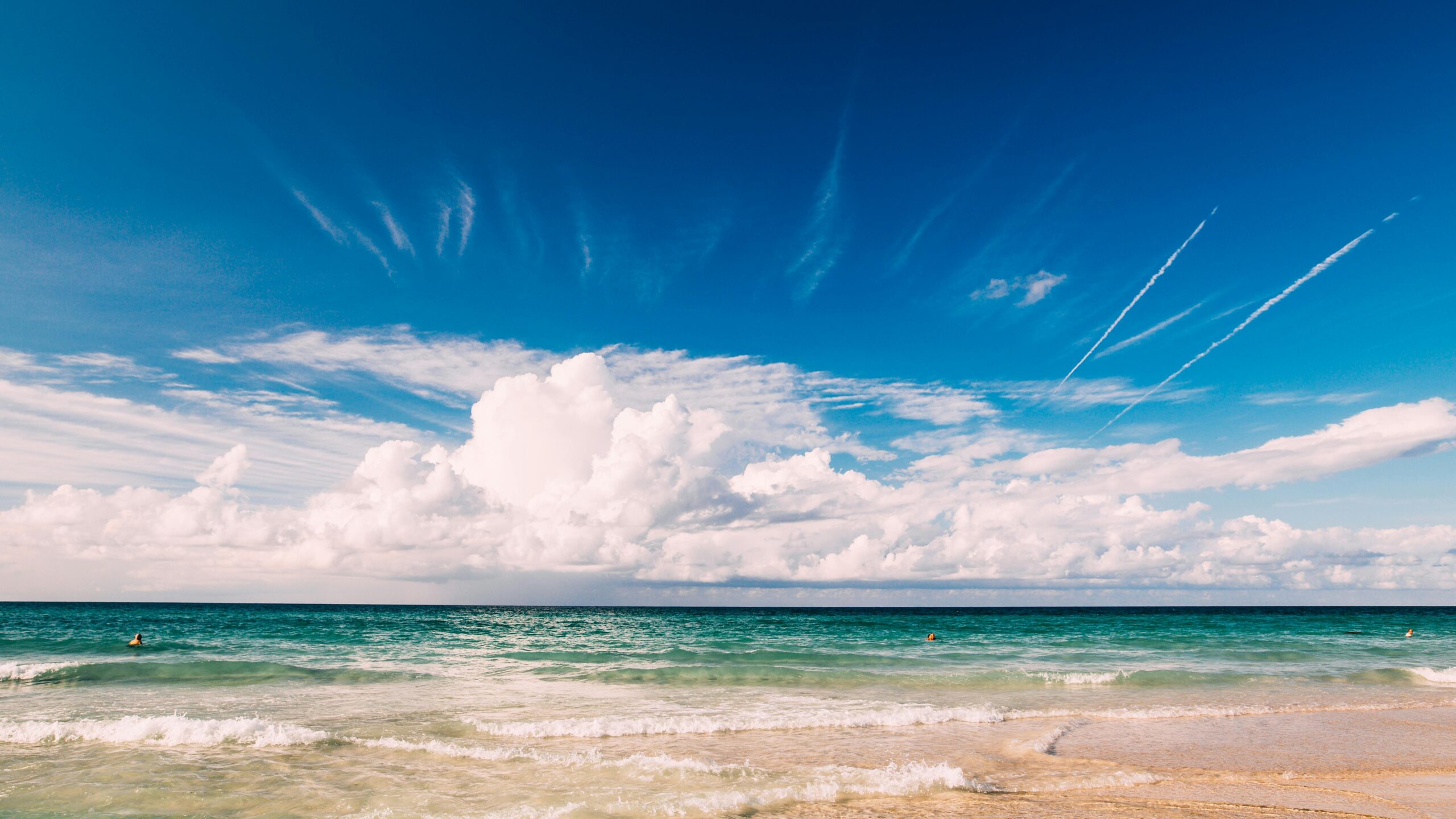
Varadero Beach
2. The Charm of Cuba: History and Culture
The essence of Cuba lies in the coexistence of the past and the present. From the urban energy of the capital, Havana, to the revolutionary footprints remaining in Santiago de Cuba in the east, you can experience its culture everywhere.
• World Heritage Sites: Old Havana and Trinidad preserve cobblestone squares and colonial-era architecture.
• Iconography: 1950s classic cars and the iconic Malecón seawall define the country’s unique landscape.
• Music and Rhythm: In Cuba, music is not something you "listen" to; it is something you "feel." Jazz, Son, and Salsa are the heartbeat of the people.
3. A Natural Paradise: From Mountains to Sea
Beyond the urban areas lies a landscape boasting overwhelming biodiversity.
• Viñales Valley: A scenic area famous for its unique "mogotes" (rounded limestone hills) and vast tobacco plantations.
• Varadero: One of the world’s premier beach resorts, featuring turquoise waters and endless white sands.
• Cayos and Coral Reefs: Perfect spots for diving and connecting with untouched nature.
4. Social Indicators and Economy
• Society: Population of approximately 11 million. Internationally acclaimed for its high literacy rate and universal healthcare system for all residents.
• Economy: In addition to exports of sugar, tobacco, and nickel, tourism and the provision of professional services (such as medical services) are major sources of foreign exchange. Currently, the expansion of private enterprises (MSMEs) is progressing alongside the national planned economy.
Expert Travel Proposals
Traveling in Cuba, with its unique social and logistical systems, requires specialized knowledge. As professionals intimately familiar with local conditions, we guarantee a stress-free and authentic experience.
• Private Tours: We guide you through the hidden gems of Havana.
• Technical Excursions: Specialized inspections of Cuba’s proudest industries, such as tobacco and rum.
• Comprehensive Management: Full support for all procedures, securing transportation, and managing local logistics.
This site uses cookies to enhance your browsing experience. By continuing to use this site, you agree to our use of cookies. For more details, please see our Privacy Policy page
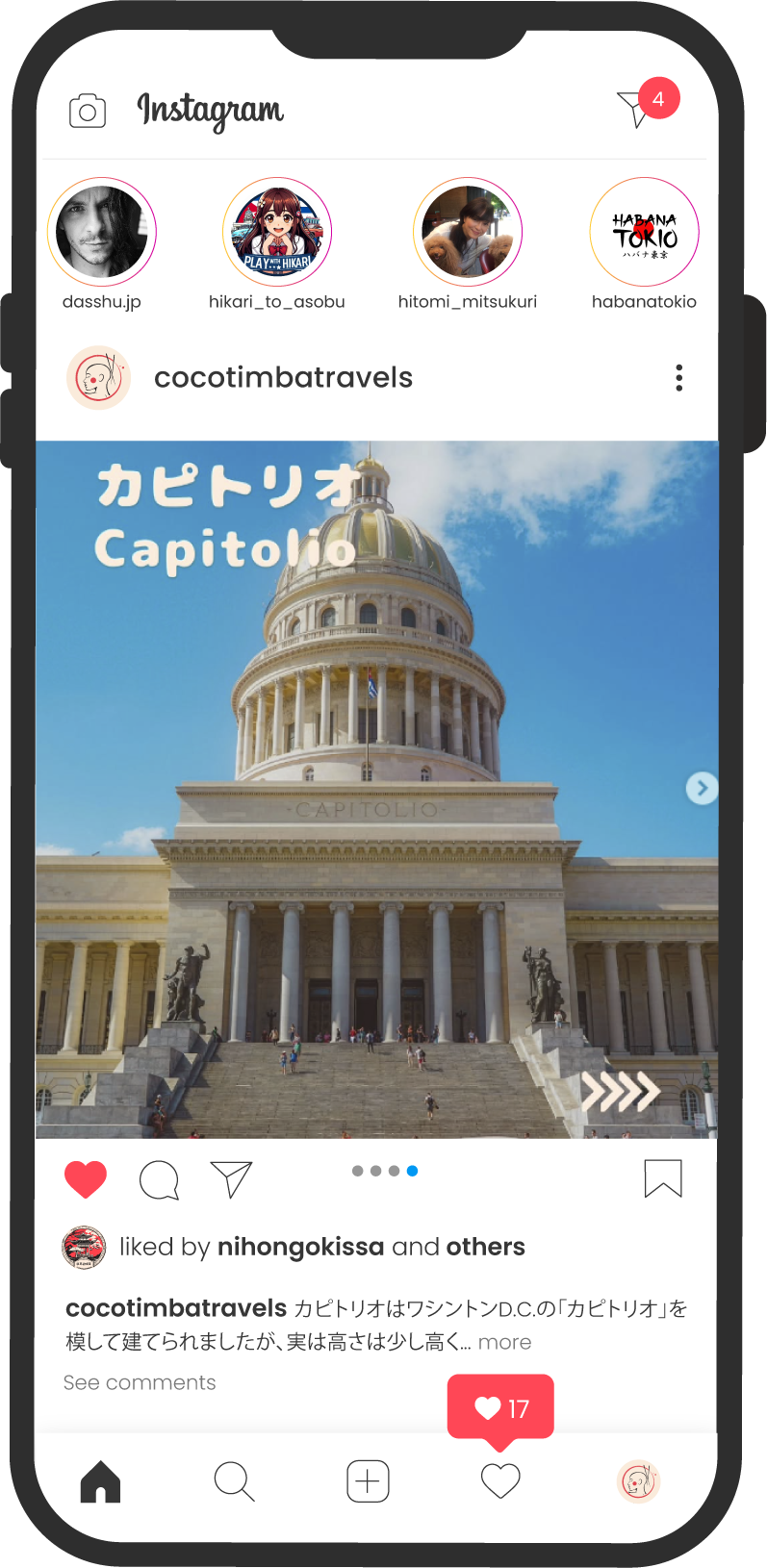
Follow us on Instagram to join our community of travelers.
At @cocotimbatravels, we share the best destinations, exclusive travel tips, and stories of adventure. Find inspiration for your next trip and discover unforgettable experiences with us!