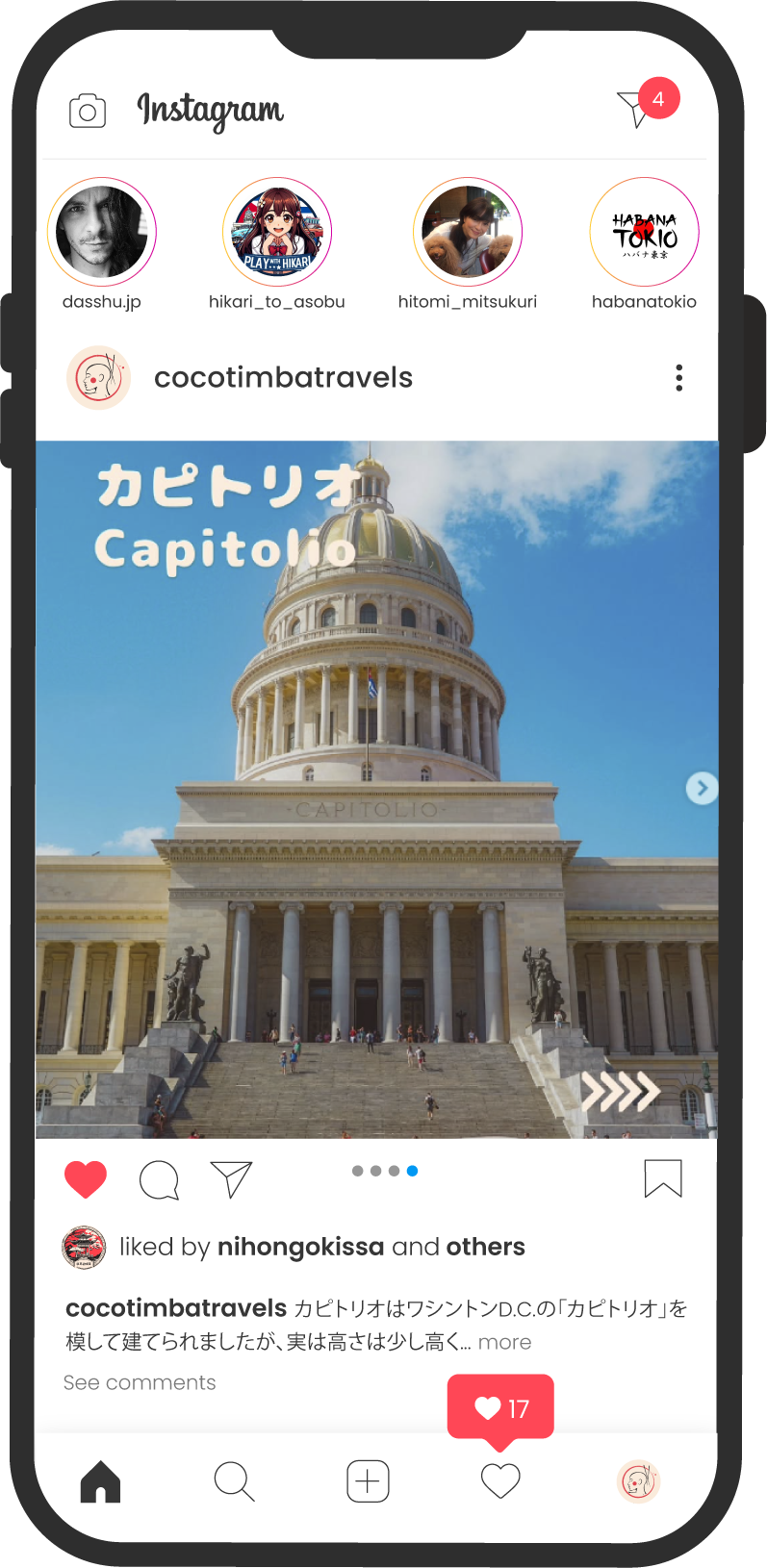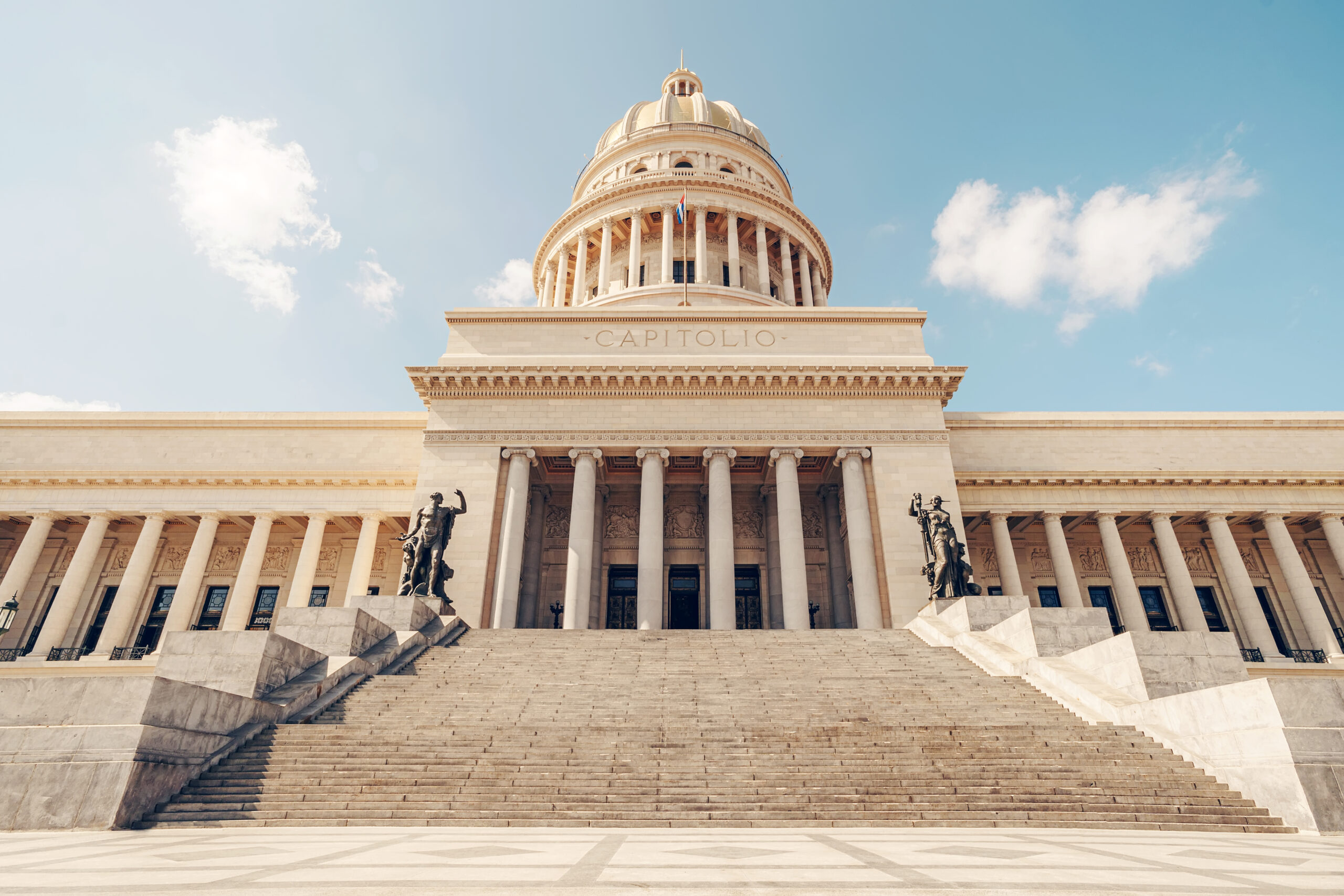
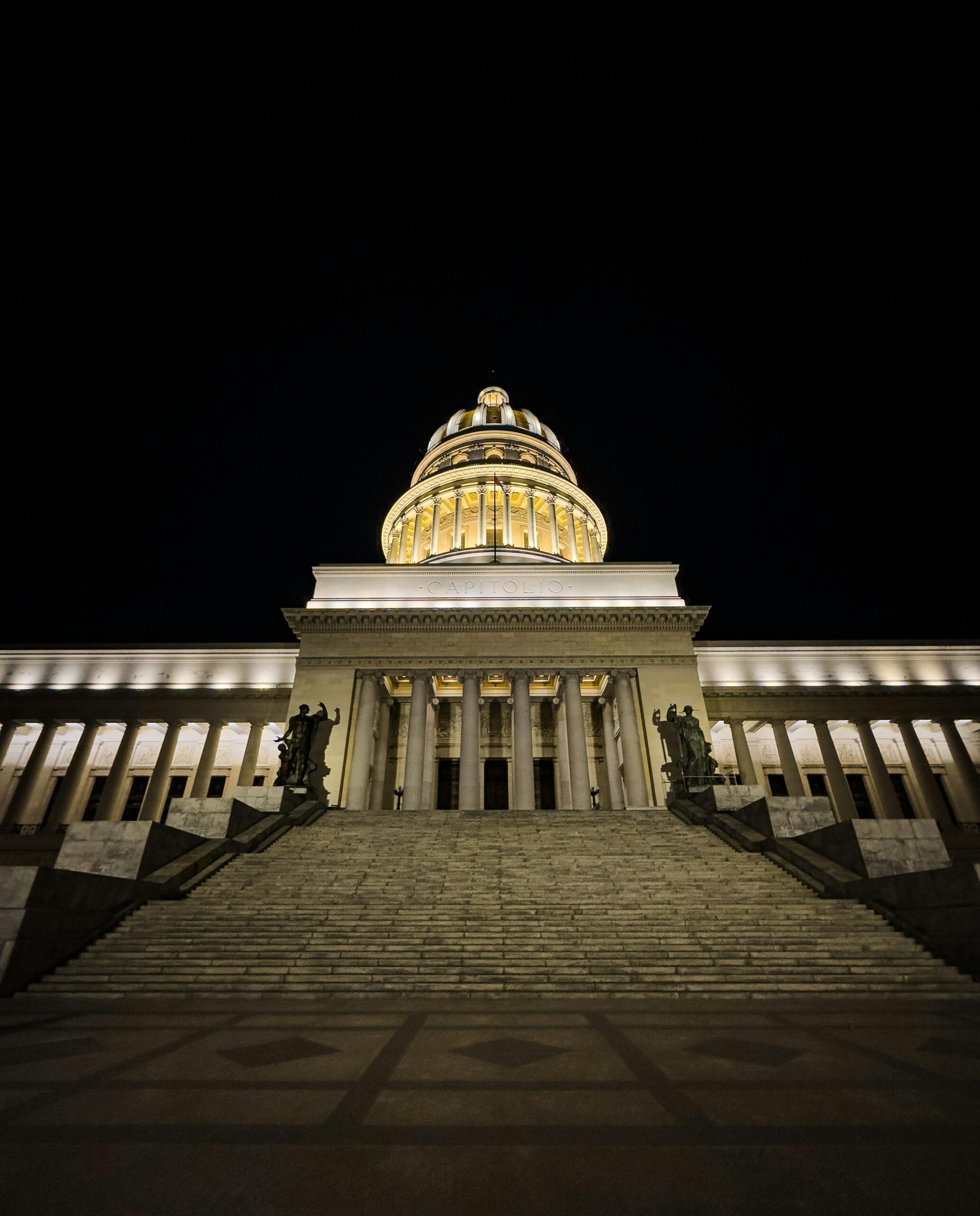
Majestic and elegant, the Havana Capitolio is an architectural jewel that catches the eye even from a distance, standing tall as the unwavering protagonist of the city’s landscape. Its grandeur not only graces the city skyline but also halts the hurried pace of the thousands who pass before it every day.
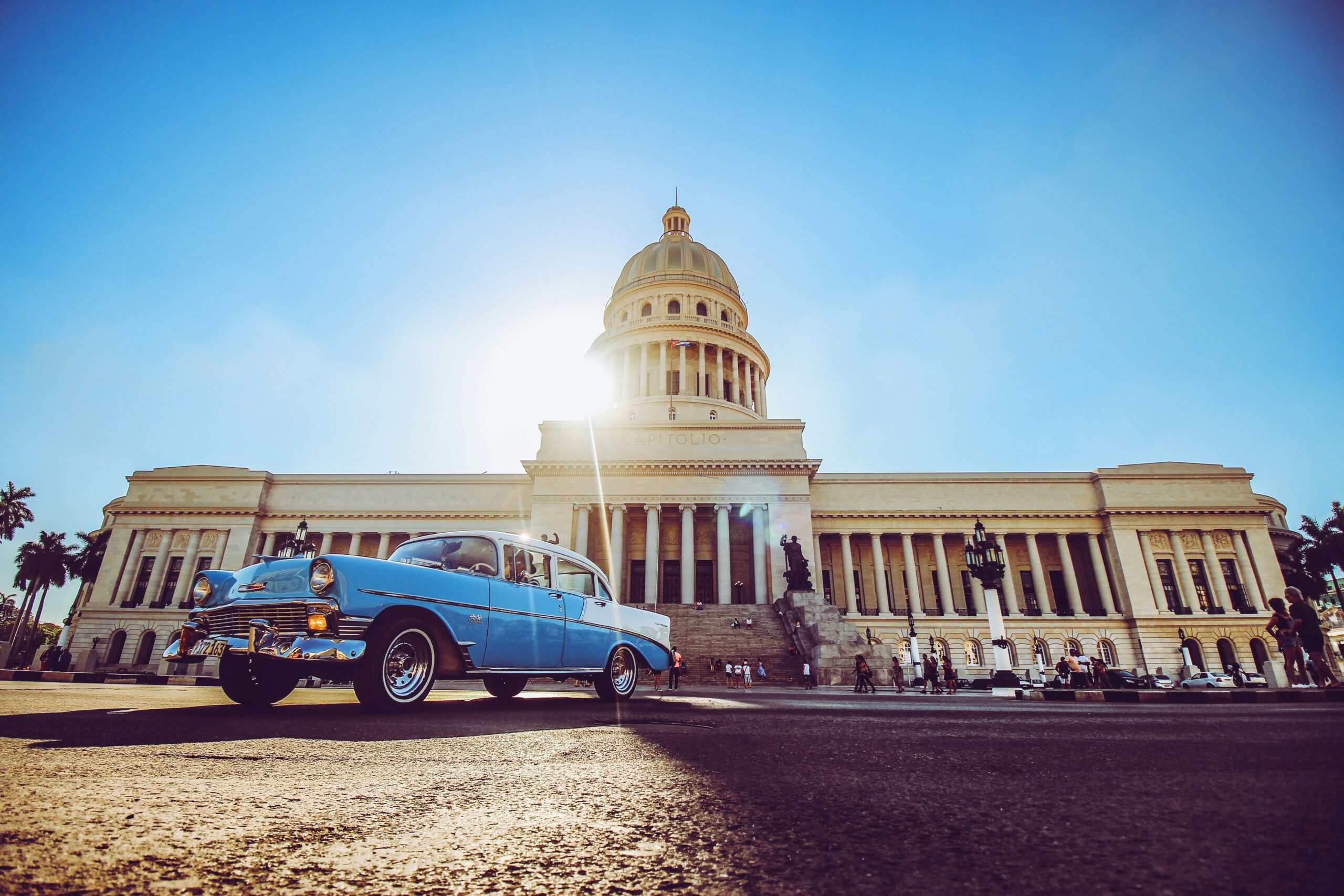
The Capitolio is more than just a symbol of Cuba; it is a living work of art. Its image is everywhere—on postcards, posters, T-shirts, and souvenirs. Beyond being an architectural icon, this magnificent building is a historical and cultural testament that has left its mark on films, music videos, and photography for decades.
Inaugurated on May 20, 1929, during the presidency of Gerardo Machado, the Capitolio is strategically located between Central Havana and Old Havana, near the famous Paseo del Prado. Inspired by the Panthéon in Paris, St. Peter's Basilica in Rome, and the United States Capitol, its design reflects Cuban competitiveness and creativity, surpassing the U.S. Capitol in height and detail.
The Capitolio is the result of a meticulous and evolutionary design process, incorporating repeated studies and adjustments. It was built by Cuban architects led by Eugenio Rayneri Piedra, with construction overseen by the American firm Purdy & Henderson. The project was completed in three years and 50 days, a testament to intensive labor and dedication.
There are three elements that immediately capture the attention of those who visit the Capitolio:
1) The Dome
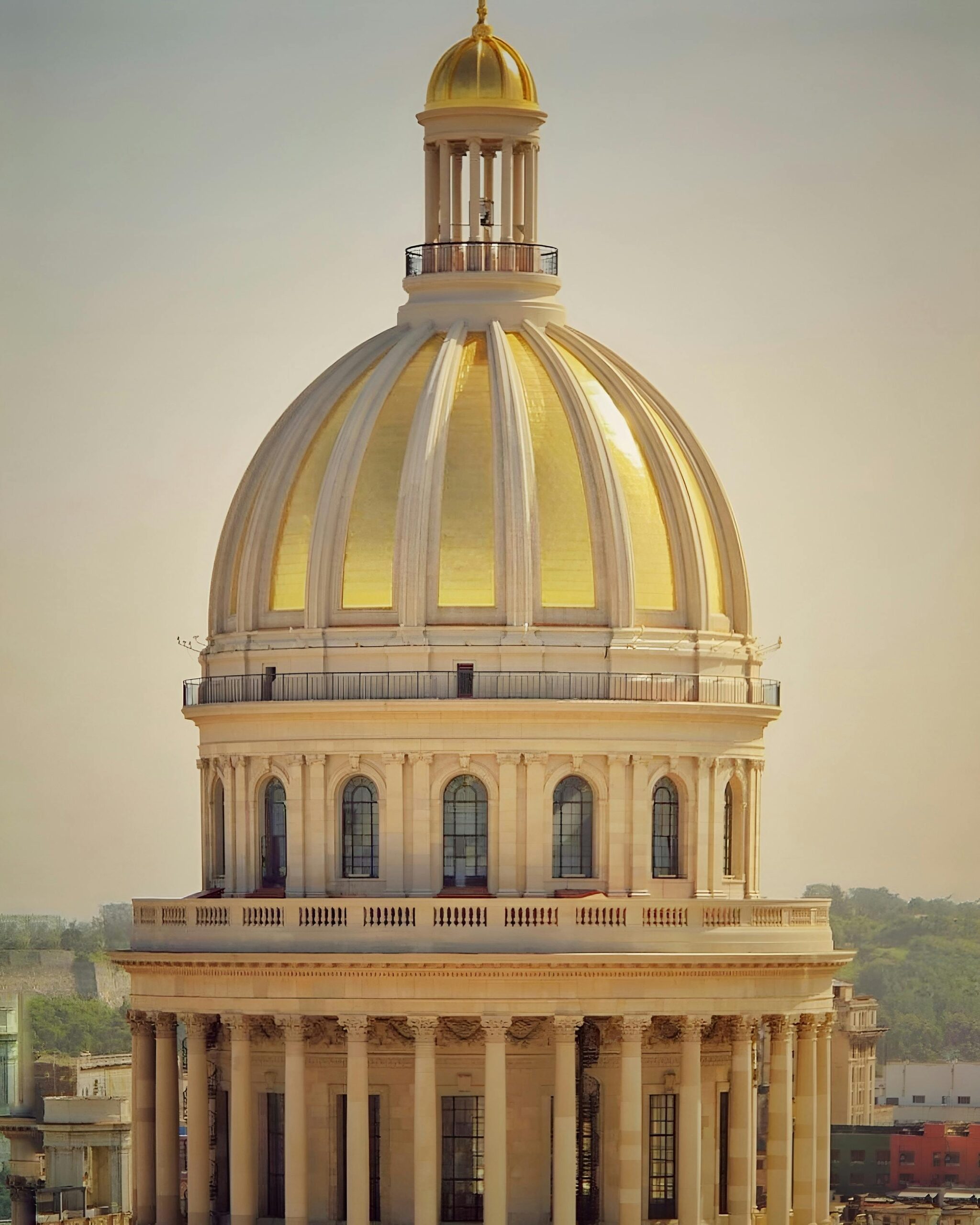
An impressive structure 32 meters in diameter, covered in 22-carat gold, rising majestically over the city. It stands 91.73 meters above sea level and boasts a height of 62 meters from the magnificent interior rotunda.
2) The Grand Staircase
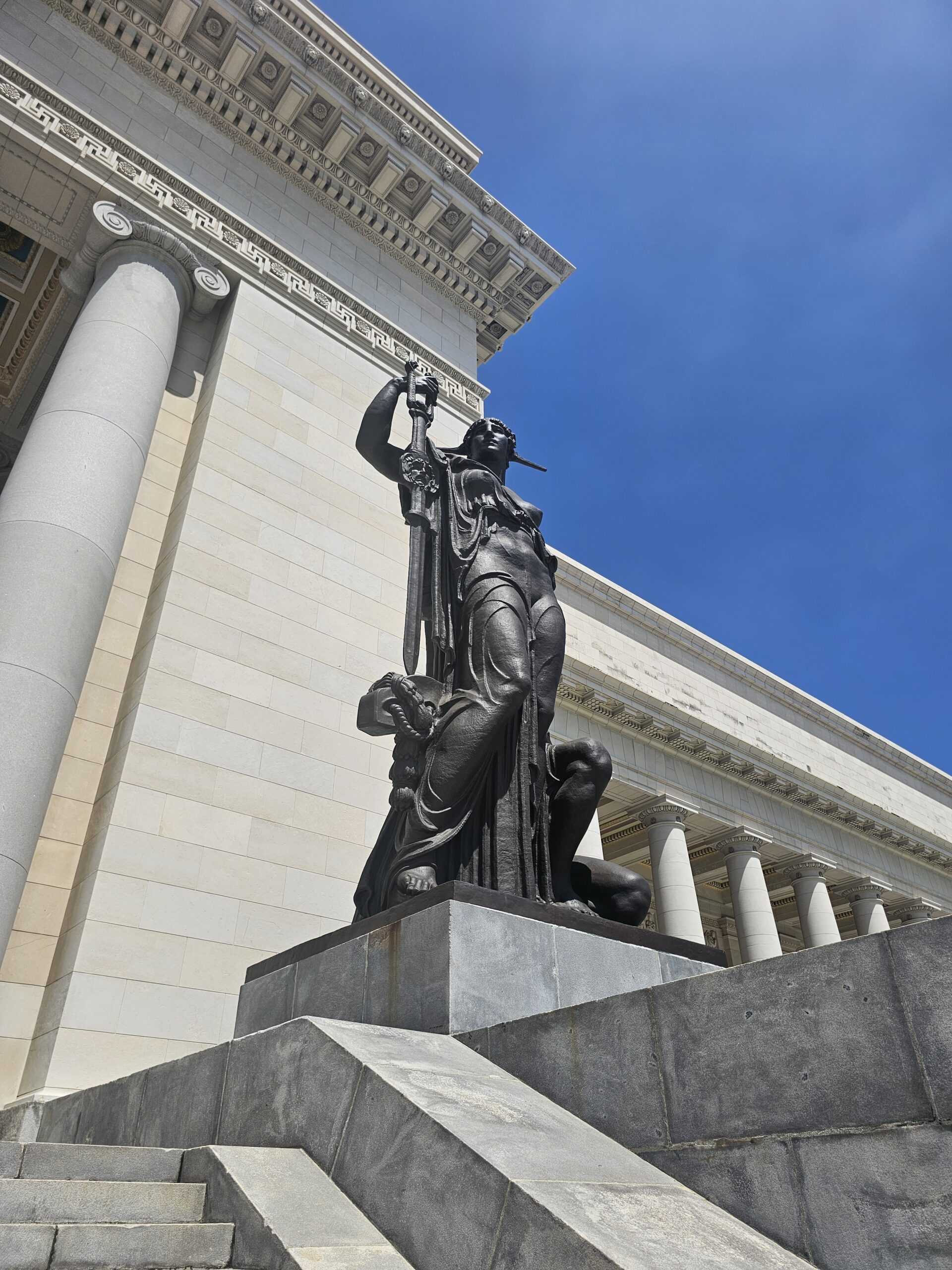
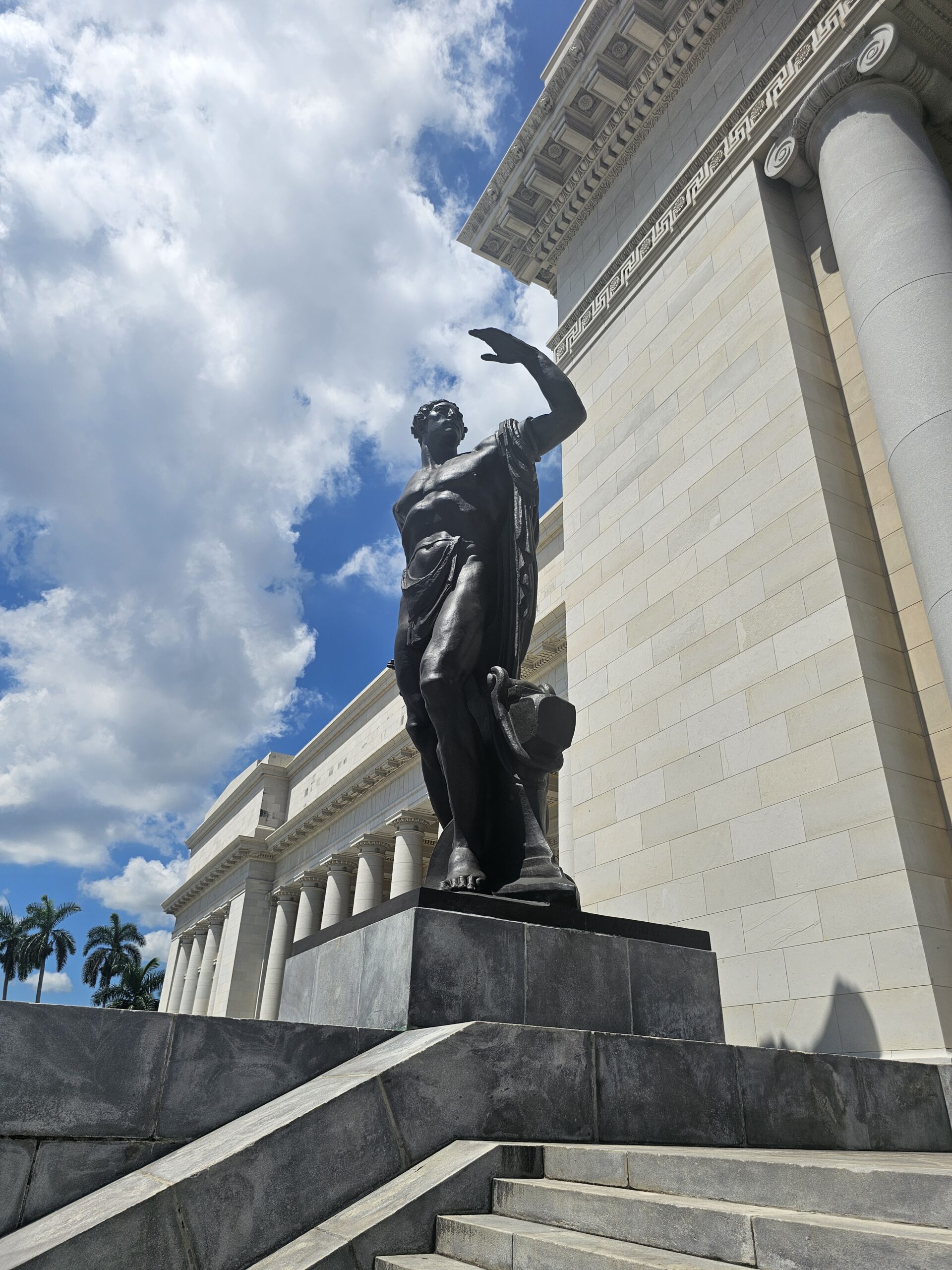
A massive staircase of 55 granite steps, flanked by Neoclassical statues symbolizing Virtue and Progress. The stairs lead to a porch with 12 Ionic columns, forming a monumental entrance.
3) The Neoclassical Facade
This monumental entrance, featuring 12 Ionic columns, is merely a prelude to what lies within. The facade measures 36 meters in width and 28 meters in length.
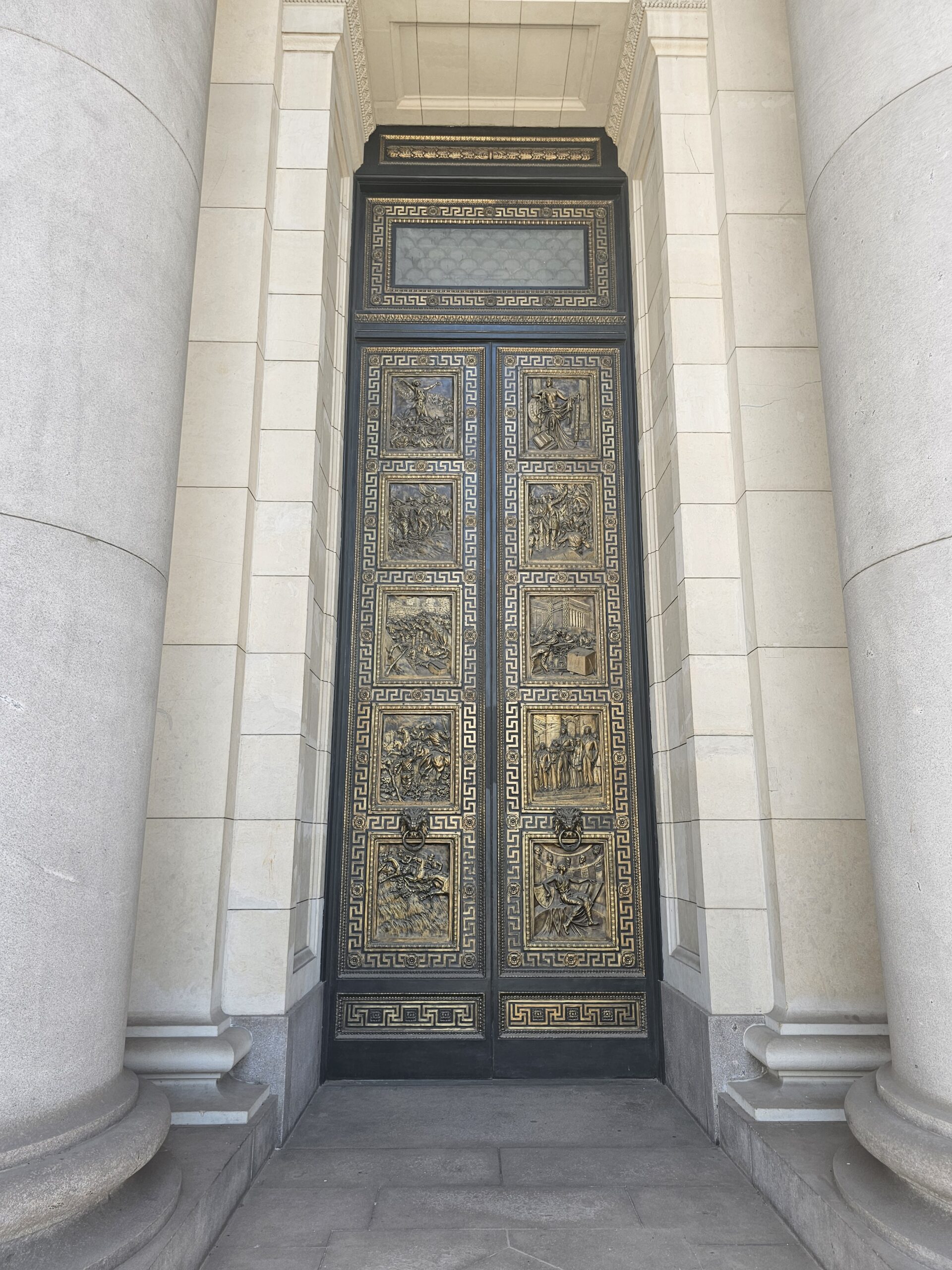
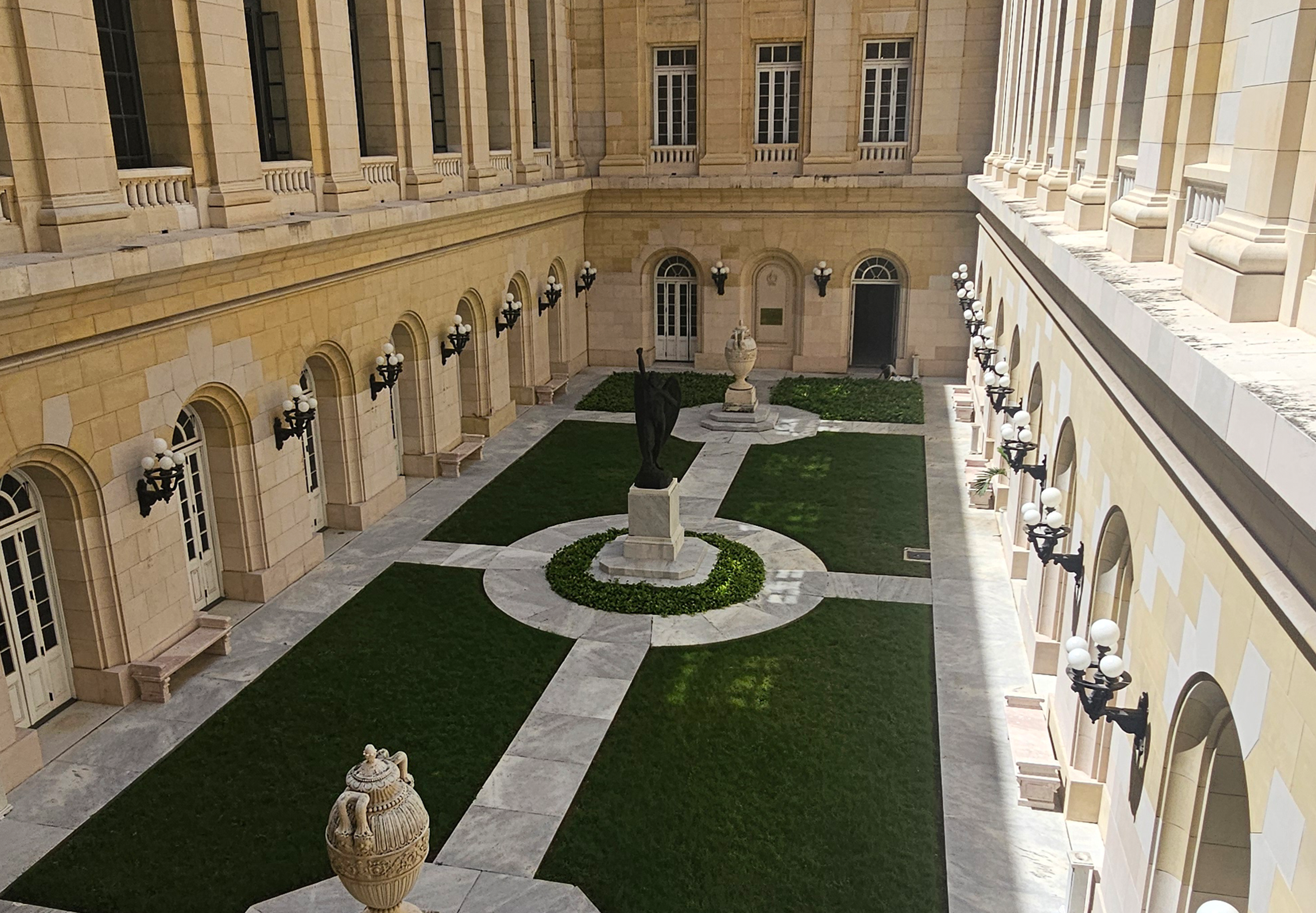
The interior of the Capitolio is a delight for the senses, featuring elegant halls, libraries, and two semi-circular chambers surrounded by gardens. the decor combines Neoclassical and Art Deco styles, reflecting the cultural richness of the era. From the lamps and curtains to the statues and stained glass, every detail has been carefully designed to leave a lasting impression.
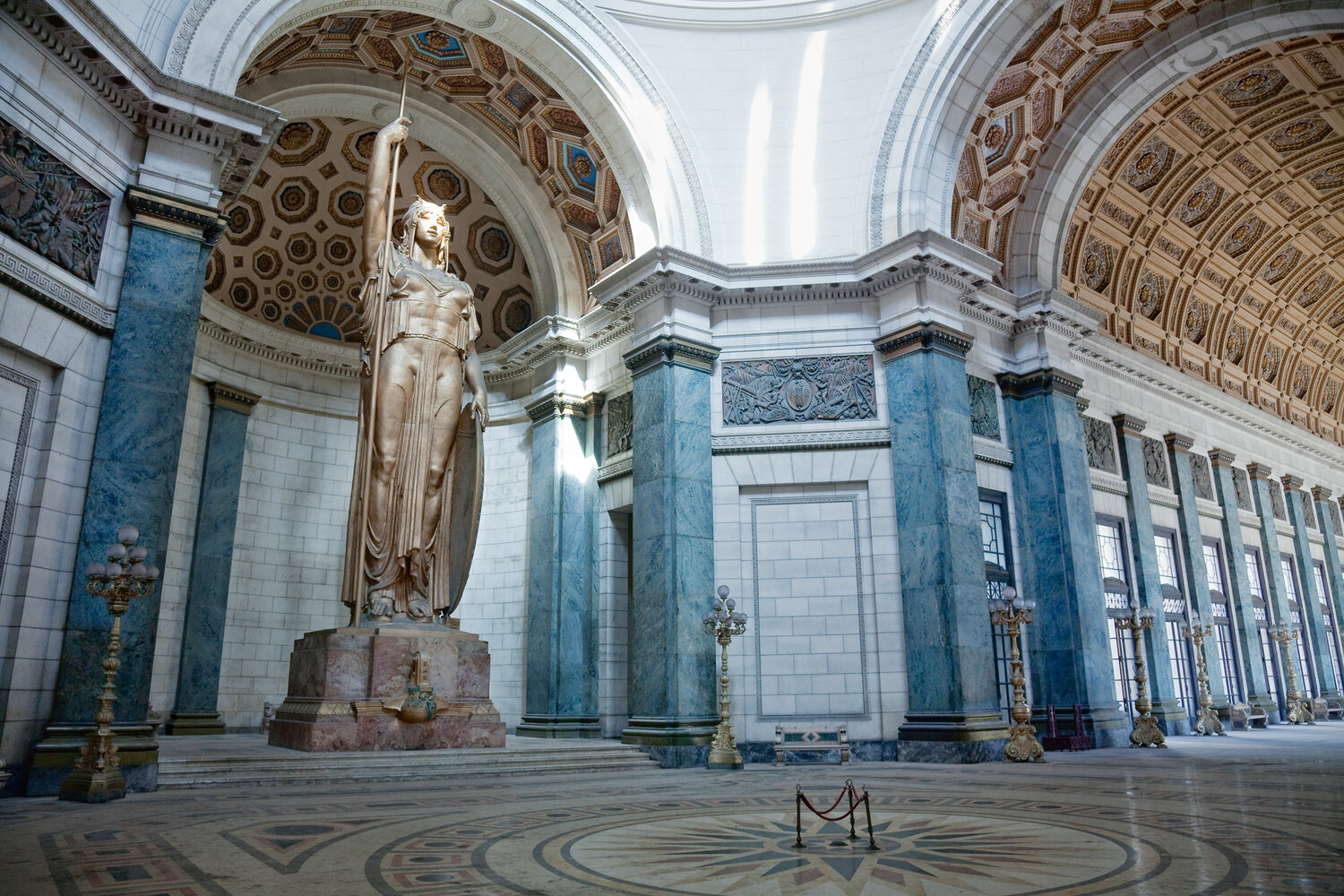
The magnificent rotunda, known as the "Hall of the Lost Steps" (Salón de los Pasos Perdidos), features a stunning barrel vault and is divided into two identical sections. The dome is crowned by a lantern with 10 columns; beneath it lies a replica of the marble star that once marked Kilometer Zero of Cuba’s Central Highway. The original diamond is safely kept in the vaults of the National Bank.
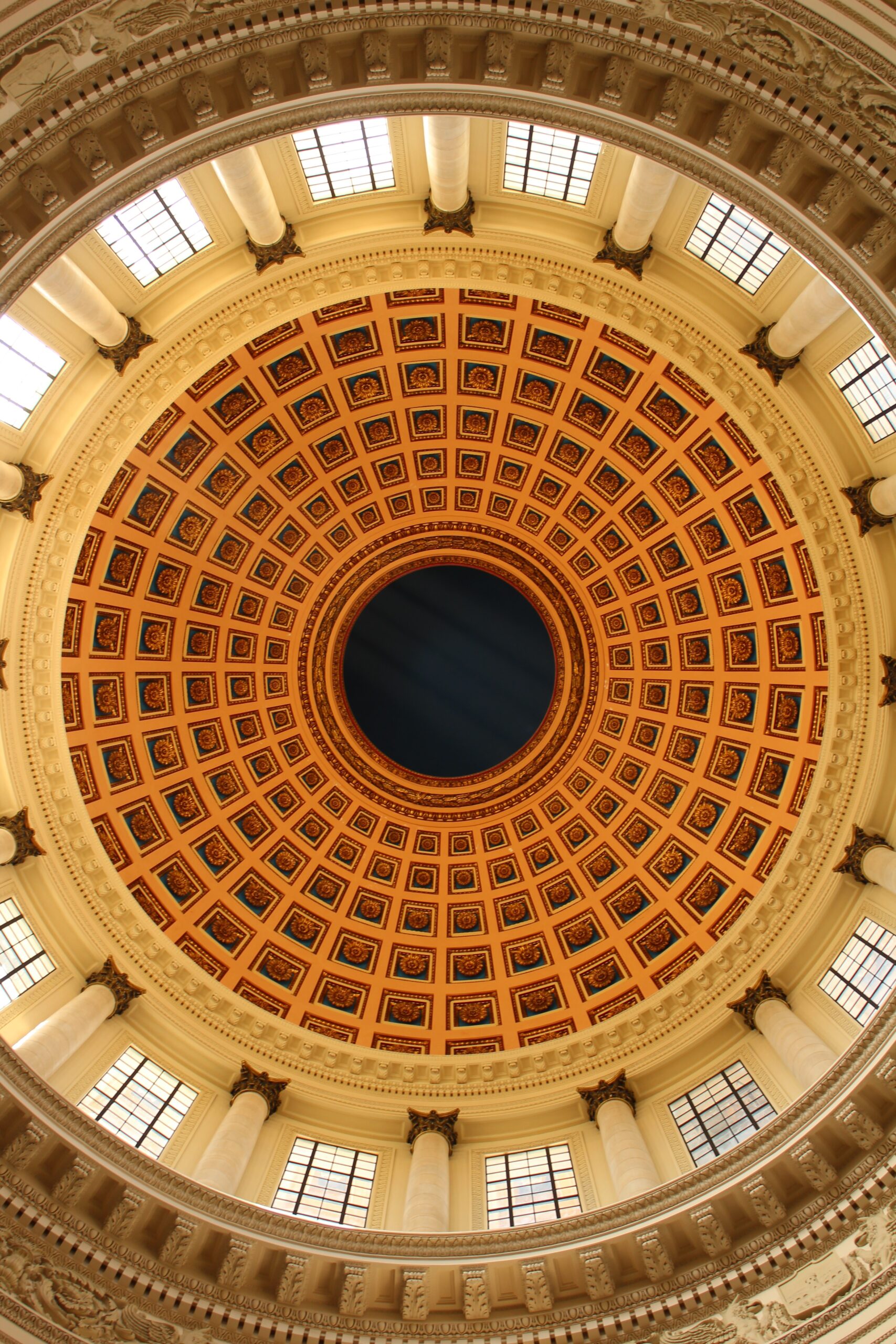
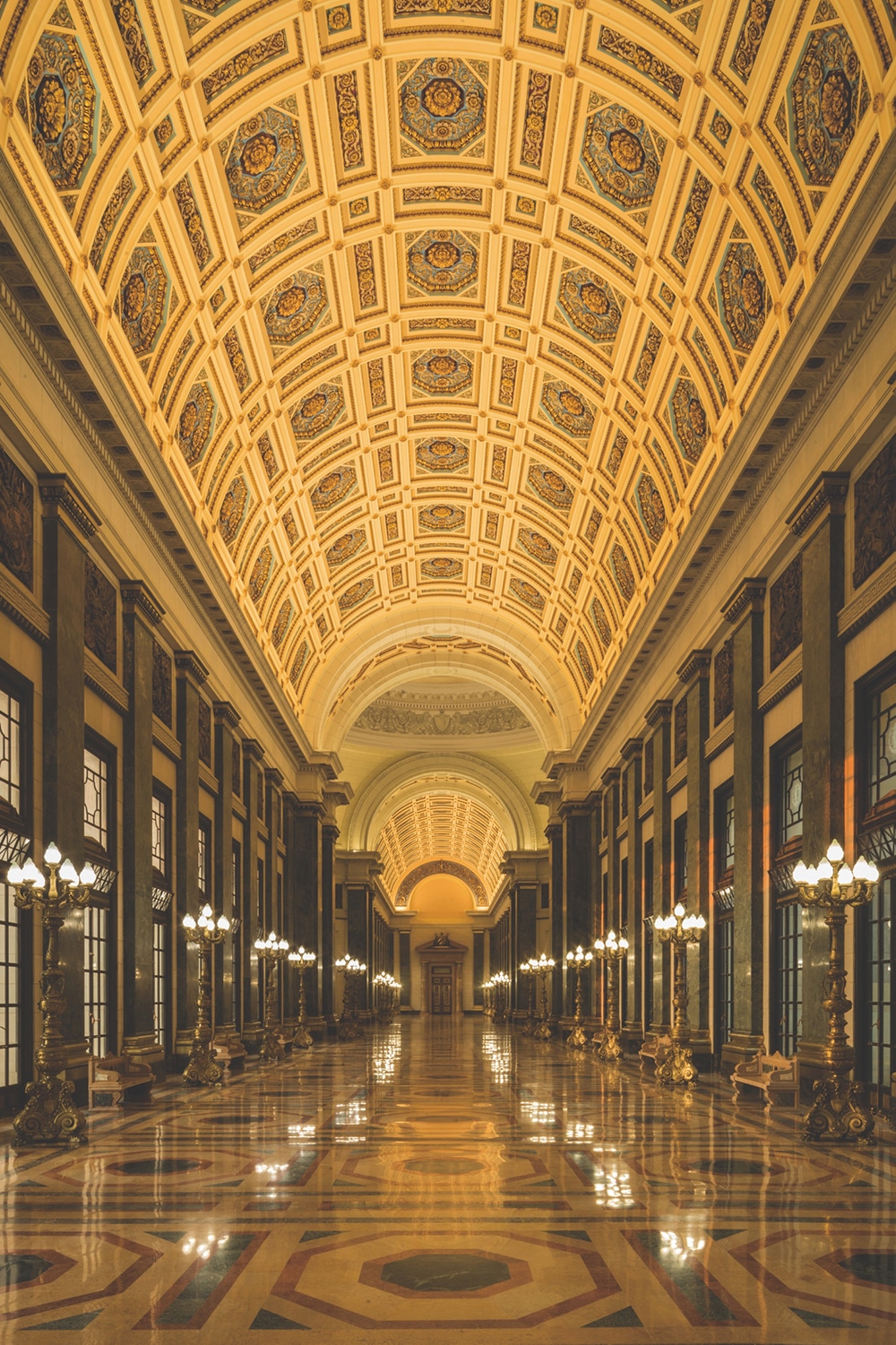
The statues of the Capitolio are impossible to overlook. From the majestic "Statue of the Republic"—one of the largest indoor statues in the world—to the guardian figures protecting the Grand Staircase, these works of art add exceptional value to the building.
1) The Statue of the Republic
Created by Italian sculptor Angelo Zanelli, this statue stands 14.60 meters tall and weighs 30 tons. It depicts a woman in a Greek-style tunic holding a shield, a spear, and a helmet, symbolizing the sovereignty of the nation. Gilded in 22-carat gold, it is one of the tallest indoor statues in the world.
2) The Guardian Statues
Located at the base of the Grand Staircase, these two Neoclassical statues—also by Zanelli—symbolize "The Tutelary Virtue of the People" and "The Progress of Human Activity." Each statue stands 6.70 meters tall and weighs 15 tons.
3) The Rebellious Angel
Located in the gardens, this statue by Sicilian sculptor Salvatore Buemi represents Lucifer with a raised fist, symbolizing discord or controversy. Over the years, this statue has been the subject of much debate and rejection, only adding to its enigmatic charm.
Since 1959, the Capitolio has housed various institutions, including the Ministry of Science, Technology, and Environment, the Museum of Natural History, and the Cuban Academy of Sciences. Today, after an extensive restoration process that began in 2012, the Capitolio serves as the seat of the National Assembly of People's Power (the Cuban Parliament).
The building is open to the general public every day, offering guided tours and hosting special events. Experts recommend spending at least two hours to truly capture the essence of this magnificent place. Whether you are interested in its architectural splendor or its historical significance, the Capitolio is a must-visit destination.
Declared a National Monument in 2010, the Havana Capitolio is undoubtedly one of the most impressive buildings in Havana and a must-see for anyone traveling through Cuba. It stands as a precious architectural jewel, showcasing the rich cultural heritage and history of Havana and Cuba.